

Surgical Approach
Robotic Bariatric Surgery
The same sleeve or bypass — performed with a robotic platform that extends precision and visualization in complex anatomy.
Overview
Precision and control of the da Vinci robotic platform.
Robotic-assisted bariatric surgery uses the da Vinci surgical system — providing the surgeon with enhanced 3D visualization, finer instrument control, and improved precision for complex cases.
How it works
A clear, step-by-step picture.
Same procedure, robotic platform
The bariatric procedure (sleeve or bypass) is performed with robotic instruments controlled by the surgeon.
3D high-definition visualization
10x magnified 3D view of the surgical field.
Wristed instruments
Instruments with seven degrees of motion — exceeding the human wrist — for precise tissue handling.
Compare your options
How the choices stack up.
Traditional Laparoscopic
- Visualization
- 2D HD camera
- Instrument control
- Manual, ~7° wrist
- Tremor filtering
- No
- OR setup time
- Standard
- Recovery time
- Same
- Best for
- Standard primary cases
Robotic
- Visualization
- 3D, 10x magnification
- Instrument control
- Wristed, ~540° range
- Tremor filtering
- Yes
- OR setup time
- +30–45 min
- Recovery time
- Same
- Best for
- Revision surgery, complex anatomy, high BMI, hiatal hernia repair
- Enhanced precision in complex anatomy
- Improved ergonomics for the surgeon — reducing fatigue on long, complex cases
- Same or shorter hospital stay vs. traditional laparoscopic
Risks & honest considerations
We’d rather you know the real picture before deciding.
- Longer operating room setup time (+30–45 minutes)
- Robotic platform is not available at every hospital
- No clinical advantage over laparoscopic for straightforward primary cases
- Best reserved for revisions, complex anatomy, and high-BMI patients

Surgeon-led
Every step led by Dr. Perryman.
From your first consultation to long-term follow-up, you work directly with Dr. Scott Perryman — board-certified, fellowship-trained, with more than 1,600 bariatric procedures performed.
Recovery
What the timeline really looks like.
- Hospital1–2 nights
- Week 1–2Liquids
- Week 3–4Soft foods
- Month 2+Solids + routine
Real results
Real patients. Documented outcomes.
Shared with patient permission. Individual results vary.
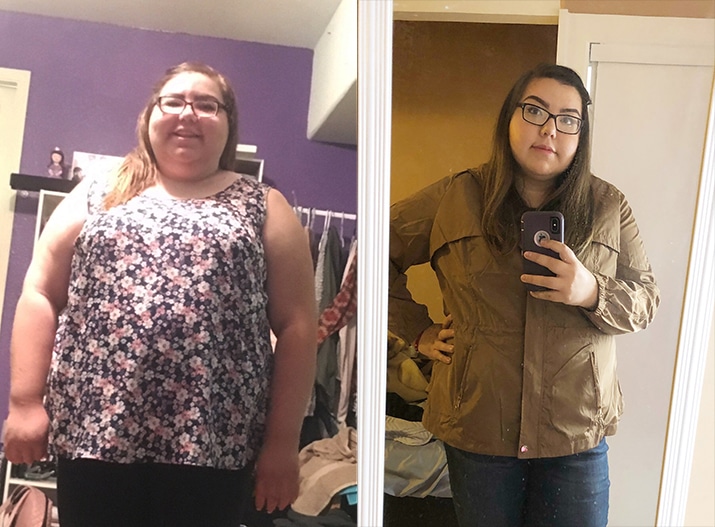
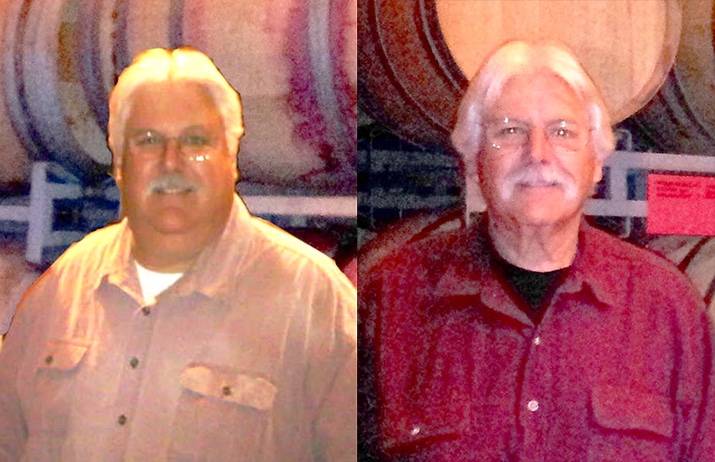
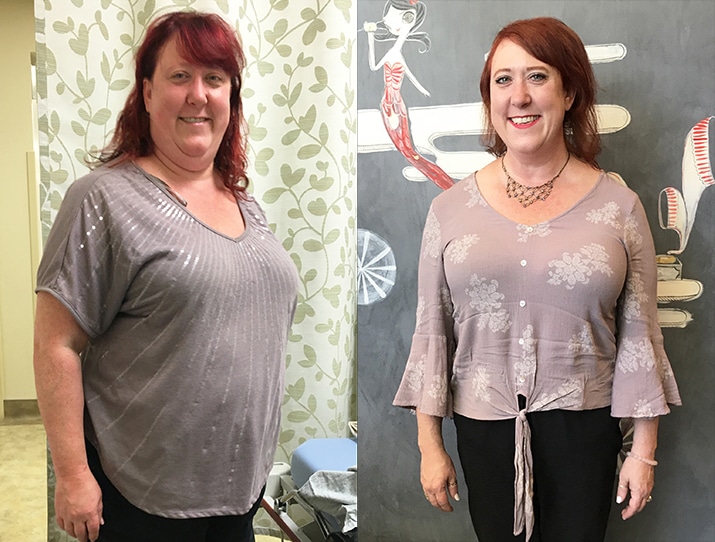

Follow the journey
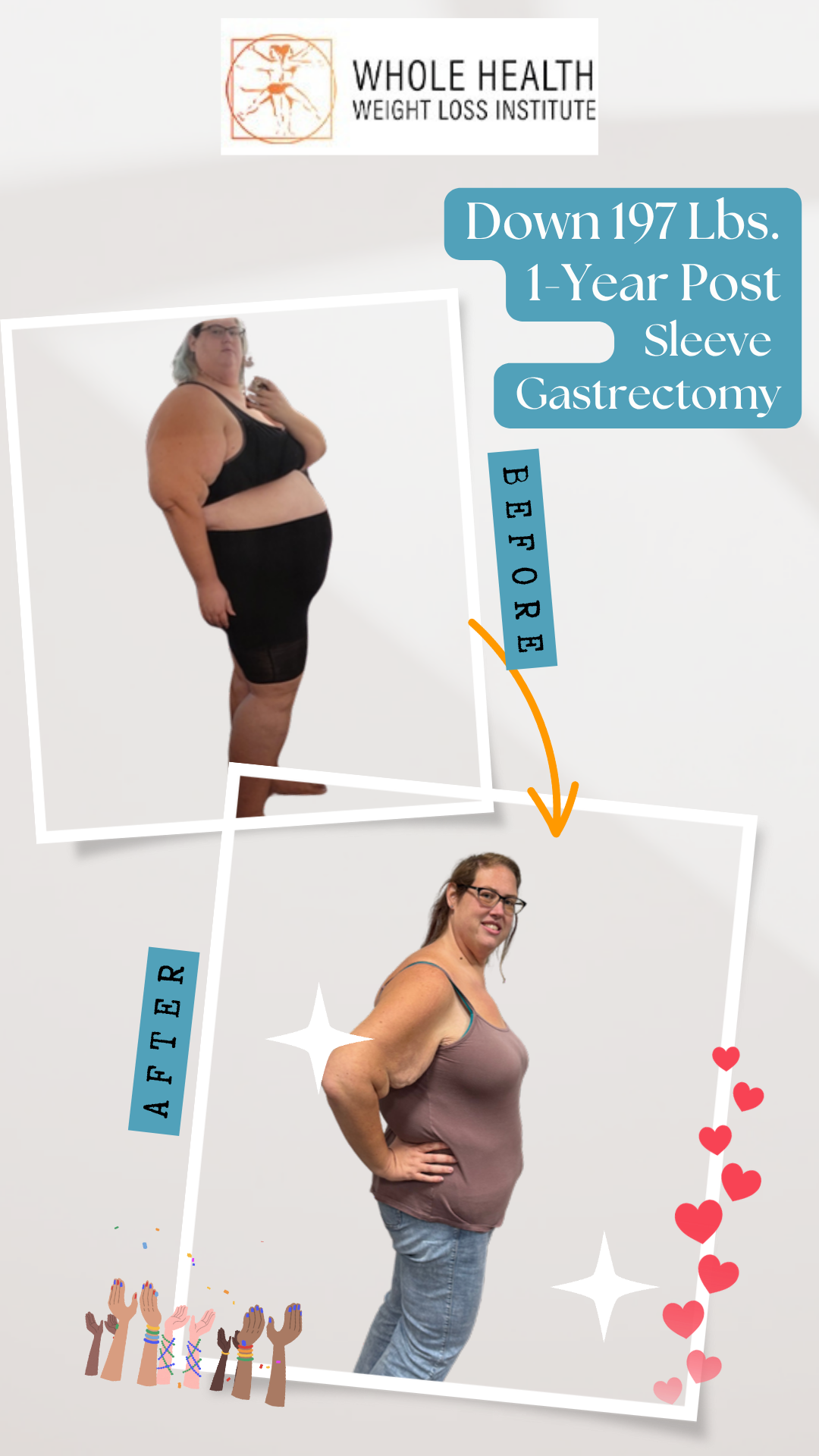
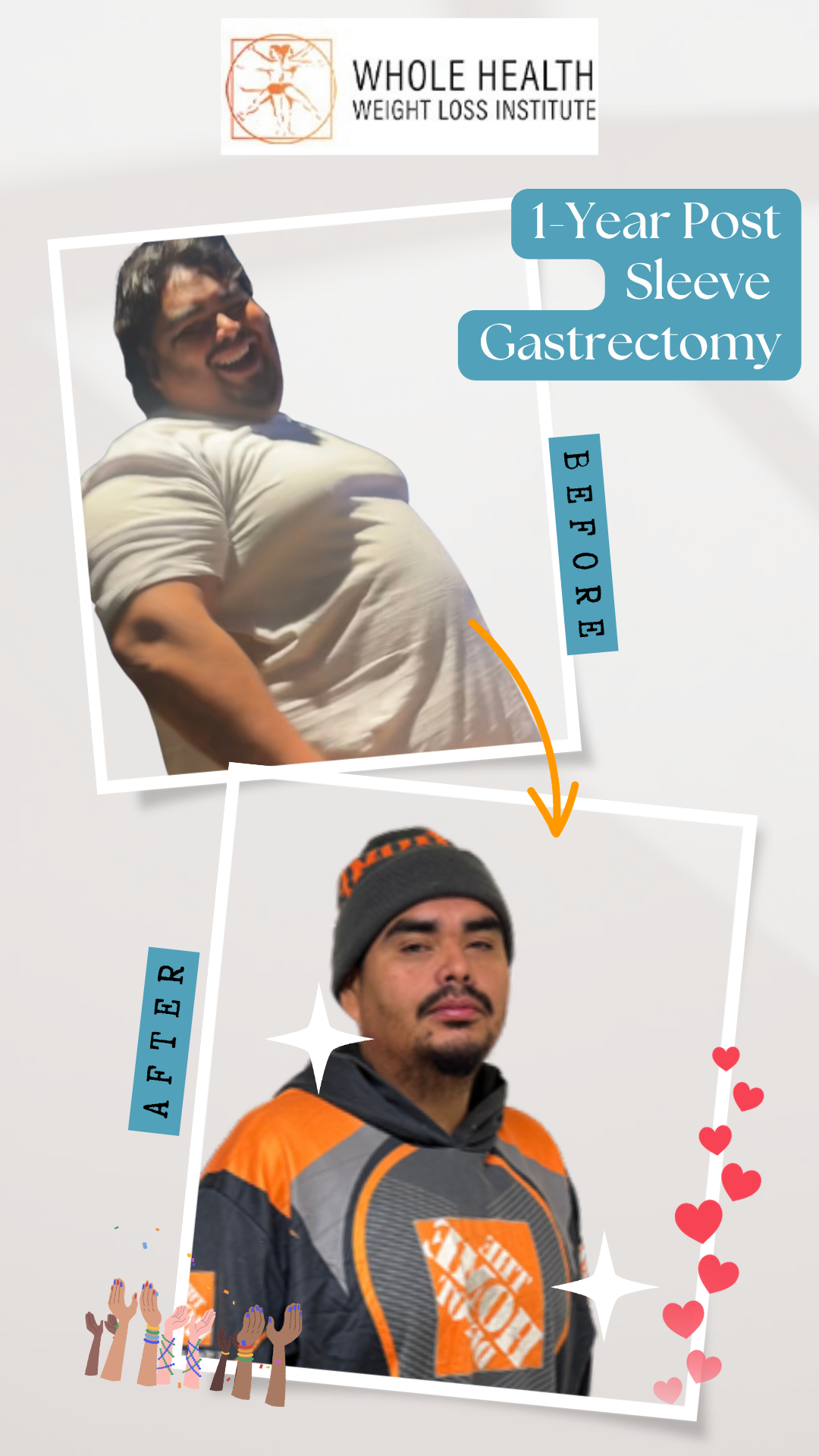
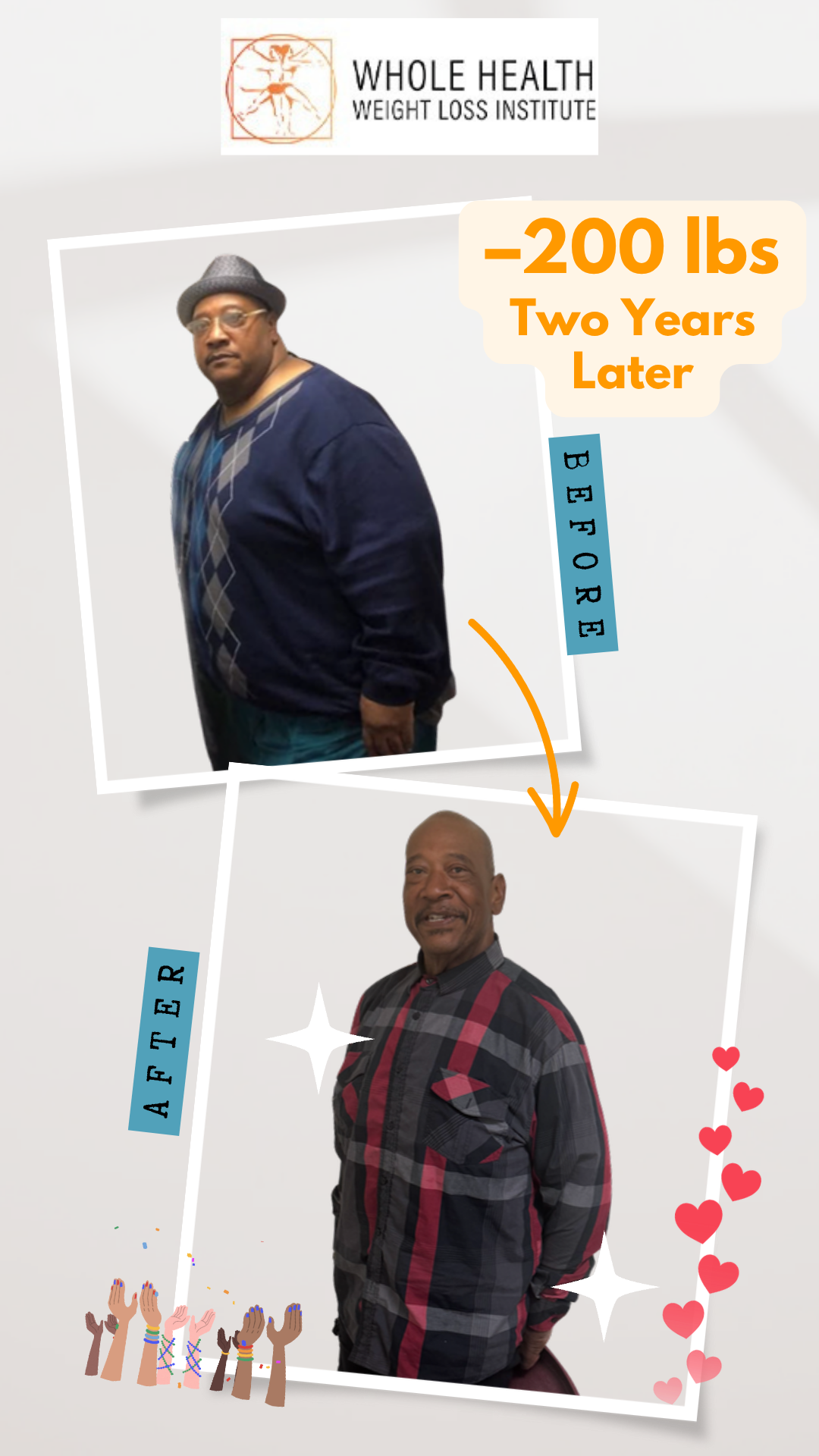
Individual results vary
See full resultsFAQs
Common questions, answered honestly.
Does a robot perform my surgery?
No. Dr. Perryman performs every step — the robot is a precision instrument under his direct control at all times.
Will the robot operate on me? Should I be worried?
No. Dr. Perryman performs every step of the operation. The robotic platform is an extension of his hands — improved 3D visualization, finer instrument control, and tremor filtering. He makes every decision and every movement.
Is recovery faster than traditional laparoscopic?
Recovery is comparable. Robotic surgery's advantage is precision in complex cases (revisions, severe obesity, challenging anatomy), not faster recovery for primary cases.
Does robotic surgery cost more or affect my insurance?
No added cost to you — robotic platform fees are absorbed by the hospital. Your insurance coverage is identical to standard laparoscopic sleeve or bypass.
When does Dr. Perryman recommend robotic over standard laparoscopic?
For revision surgery (e.g., band-to-bypass conversion), complex anatomy, very high BMI cases, and certain hiatal hernia repairs. For most primary sleeves, standard laparoscopic is equally effective.
Board-certified surgeon · Fellow, American College of Surgeons · Fellow, American Society for Metabolic and Bariatric Surgery · MBSAQIP Accredited Comprehensive Center · Blue Distinction Center for Bariatric Surgery
Surgery performed at Providence Queen of the Valley Medical Center.
Next step
Talk with Dr. Perryman — no obligation.
A confidential consultation answers your questions, reviews your candidacy, and outlines a plan that fits your life.
Related procedures