575 Lincoln Avenue, Suite 210, Napa, CAMon–Fri · 8:30am – 5:00pm

Traducción automática — el contenido clínico no ha sido revisado por un clínico bilingüe.
Bariatric Procedure
The most-studied bariatric procedure in history — and still the best choice for many patients with diabetes or significant reflux.
Overview
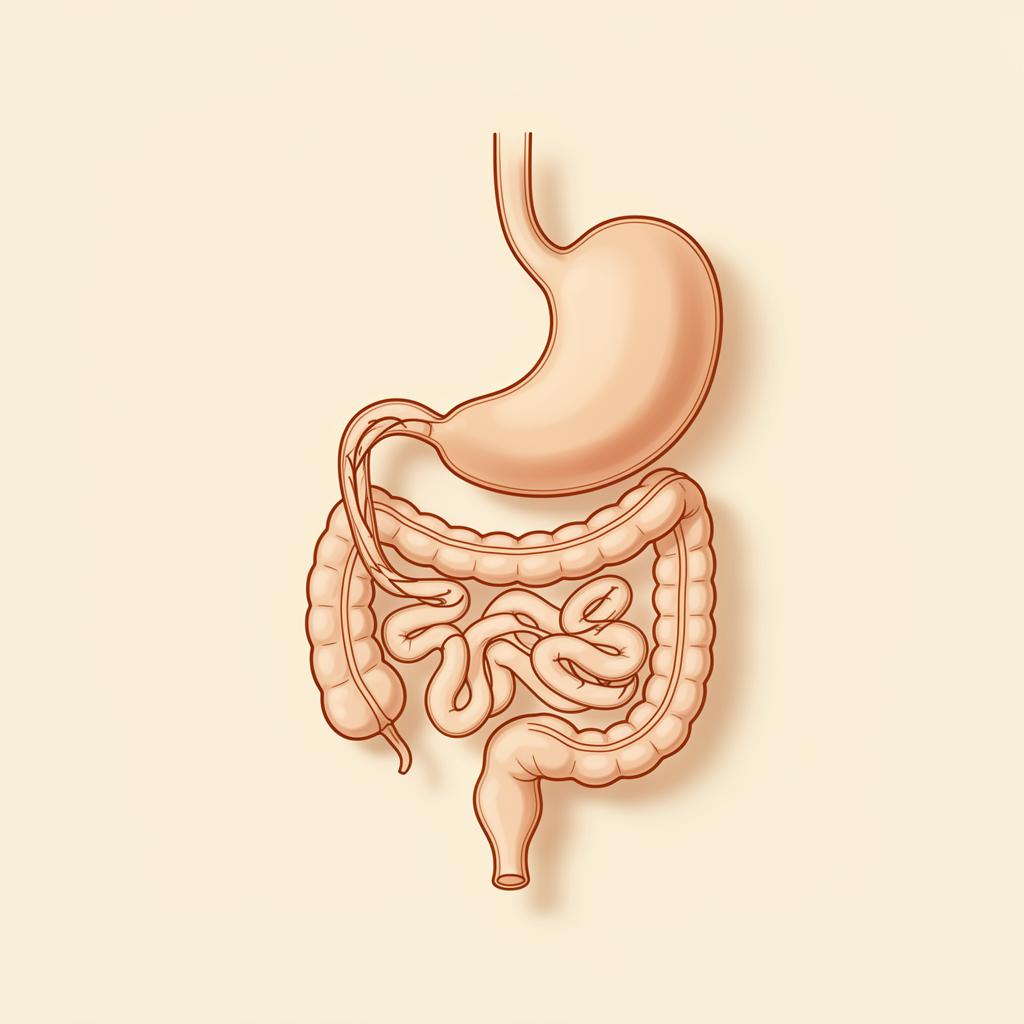
Gastric bypass creates a small stomach pouch and reroutes the small intestine — combining restriction, hormonal change, and modest malabsorption for powerful, durable results.
How it works
A small (~1 oz) stomach pouch is created and separated from the rest of the stomach.
The small intestine is divided and the lower segment is connected directly to the new pouch.
Food bypasses the upper small intestine, triggering powerful hormonal changes that improve insulin sensitivity within days.
Watch & learn
We’d rather you know the real picture before deciding.

Surgeon-led
From your first consultation to long-term follow-up, you work directly with Dr. Scott Perryman — board-certified, fellowship-trained, with more than 1,600 bariatric procedures performed.
Recovery
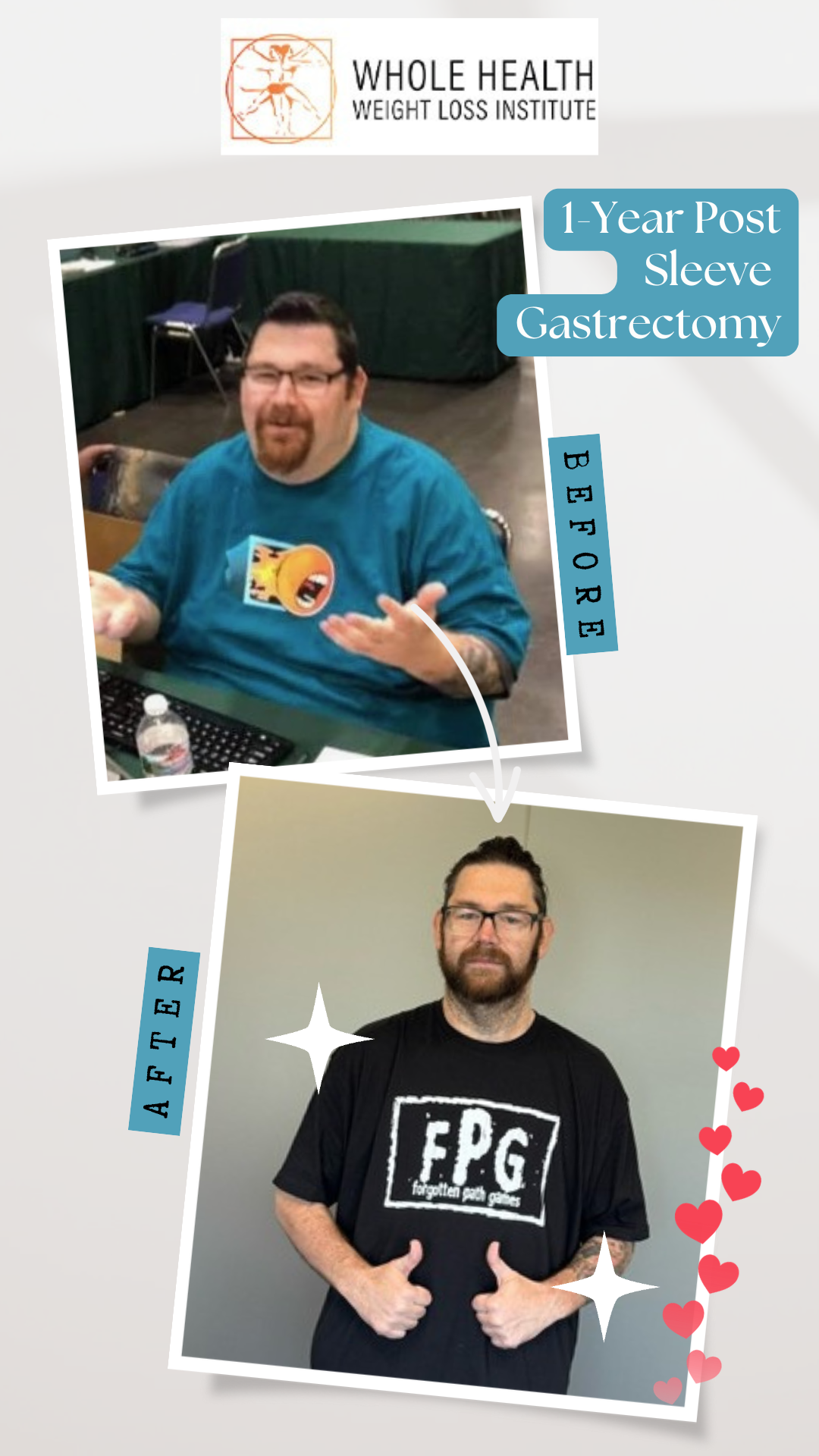
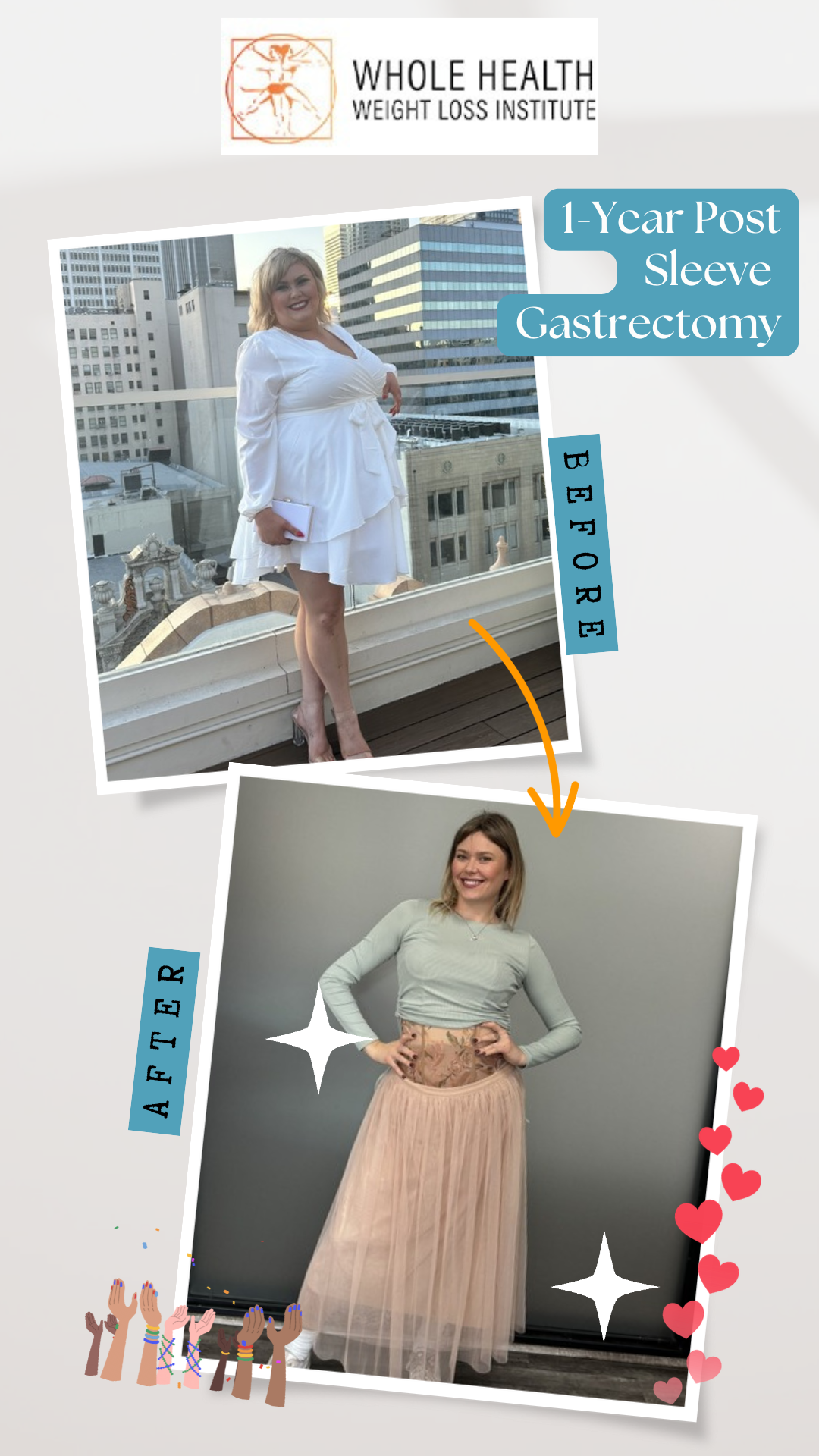
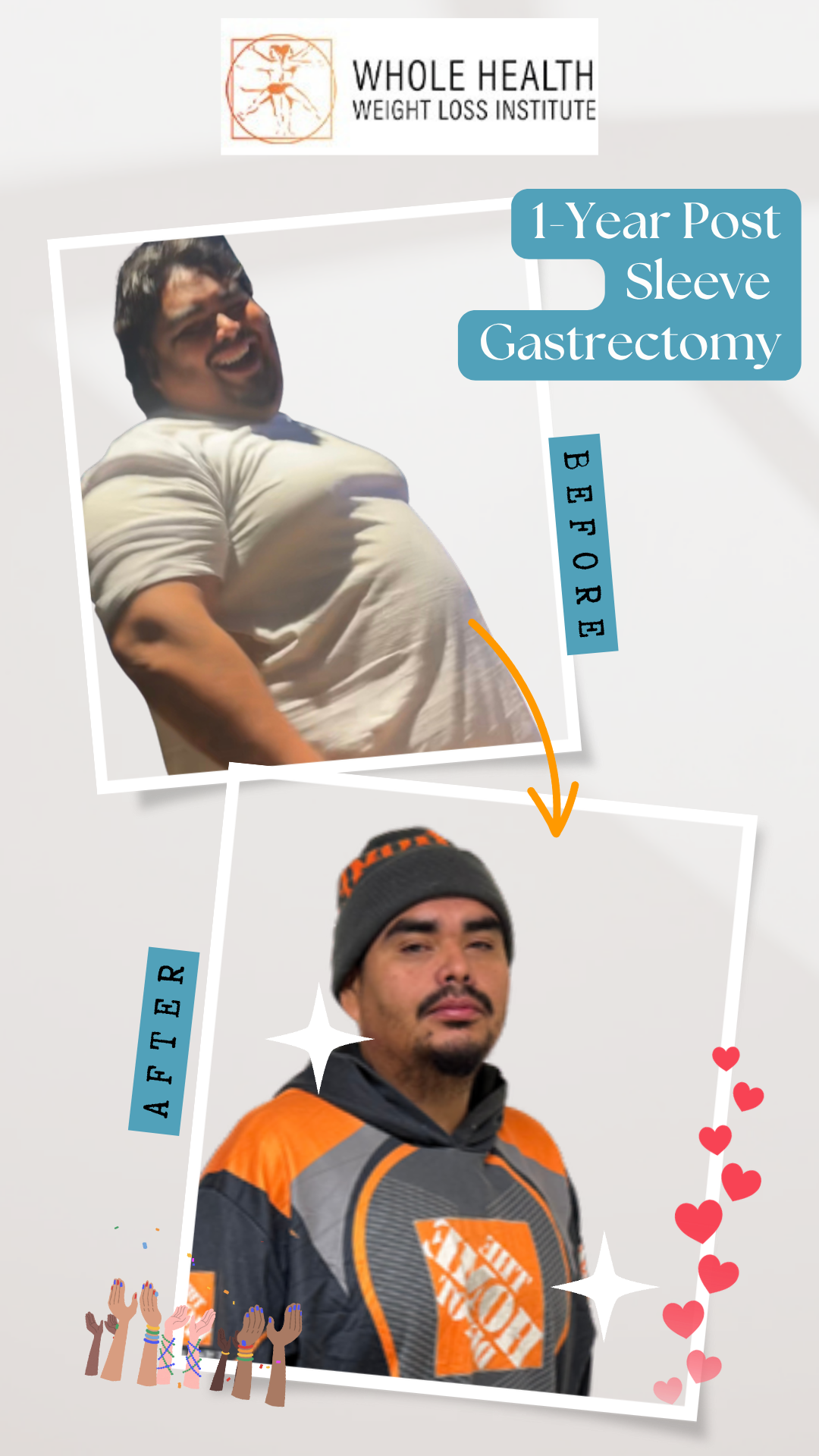
Real results
Shared with patient permission. Individual results vary.
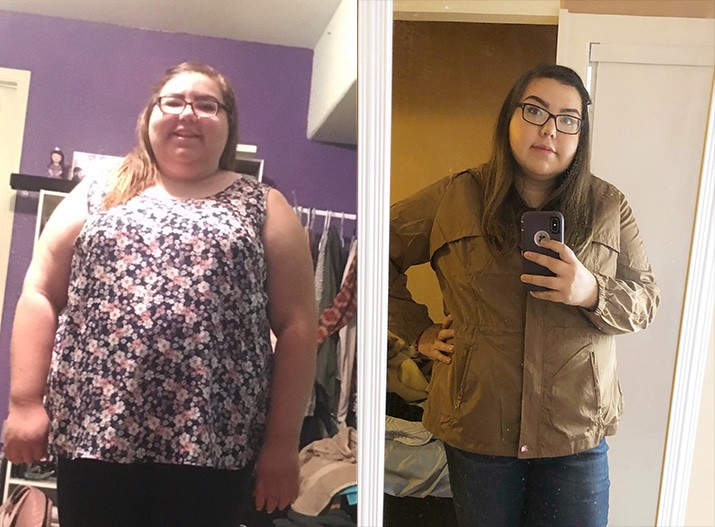
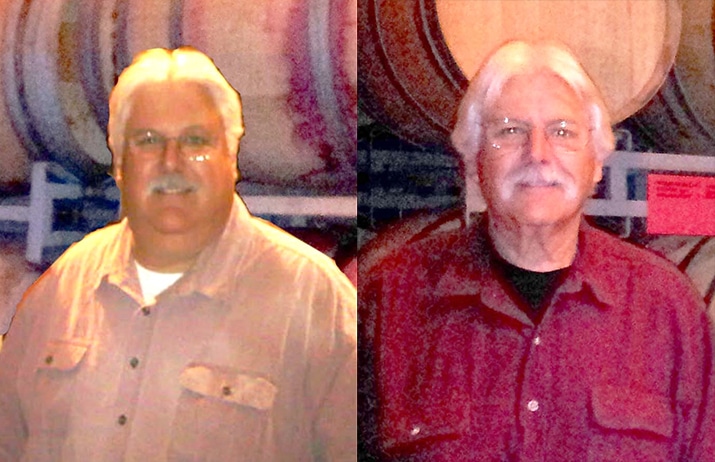
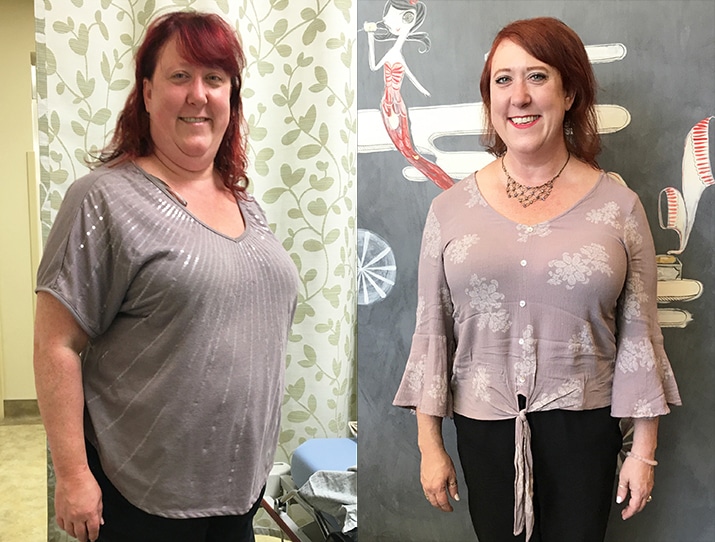
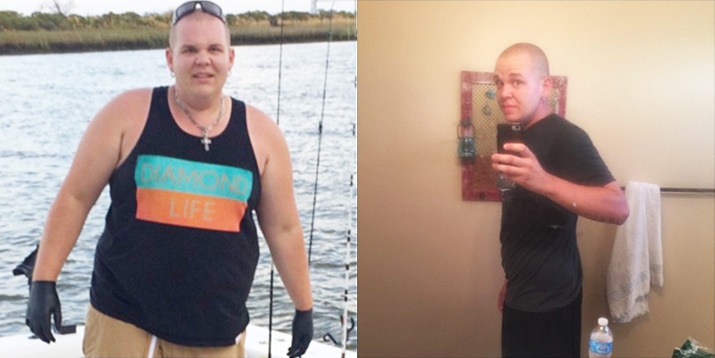
Follow the journey
Individual results vary
See full resultsCompared to gastric sleeve
FAQs
Technically reversible in rare medical circumstances, but it should be considered permanent.
Yes. A bariatric multivitamin, B12, calcium with D, and iron (for women) are lifelong.
Alcohol absorbs much faster post-bypass. Most patients wait 6+ months and use significantly less.
Bypass has a slightly higher early complication rate than sleeve (it's a more technically complex operation) but is still one of the safest abdominal surgeries performed today. Long-term risks differ — bypass has internal hernia risk, sleeve has reflux risk.
Cash pay typically $22,000–$28,000. Strong insurance coverage in California for BMI ≥ 40, or BMI ≥ 35 with diabetes, sleep apnea, hypertension, or joint disease. We verify during consultation.
Dumping is your body's response to sugar reaching the small intestine too fast — sweating, racing heart, nausea, diarrhea 30 minutes after eating. The fix is dietary: avoid concentrated sugars. Many patients see it as a built-in feedback loop.
Lab work and visits every 3 months for year one, then twice a year for life. We monitor protein, iron, B12, calcium, vitamin D, and overall nutrition.
Insurance: Covered by virtually all commercial insurance and Medicare when criteria are met. See insurance & financing →
Board-certified surgeon · Fellow, American College of Surgeons · Fellow, American Society for Metabolic and Bariatric Surgery · MBSAQIP Accredited Comprehensive Center · Blue Distinction Center for Bariatric Surgery
Surgery performed at Providence Queen of the Valley Medical Center.
Next step
A confidential consultation answers your questions, reviews your candidacy, and outlines a plan that fits your life.
Related procedures