575 Lincoln Avenue, Suite 210, Napa, CAMon–Fri · 8:30am – 5:00pm

Traducción automática — el contenido clínico no ha sido revisado por un clínico bilingüe.
Bariatric Procedure
A single-stage, minimally invasive procedure with strong long-term outcomes and the fastest recovery in modern bariatric surgery.
Overview
Sleeve gastrectomy reduces the stomach to a slim, banana-shaped pouch — restricting volume and dramatically lowering hunger hormones for durable, sustainable weight loss.
How it works
About 75–80% of the stomach is removed laparoscopically, leaving a slim sleeve roughly the size of a banana.
Smaller meals satisfy you sooner — typical portions become 4–6 ounces at a time.
Removing the fundus dramatically lowers ghrelin (the hunger hormone), reducing cravings and appetite.
Watch & learn
We’d rather you know the real picture before deciding.

Surgeon-led
From your first consultation to long-term follow-up, you work directly with Dr. Scott Perryman — board-certified, fellowship-trained, with more than 1,600 bariatric procedures performed.
Recovery
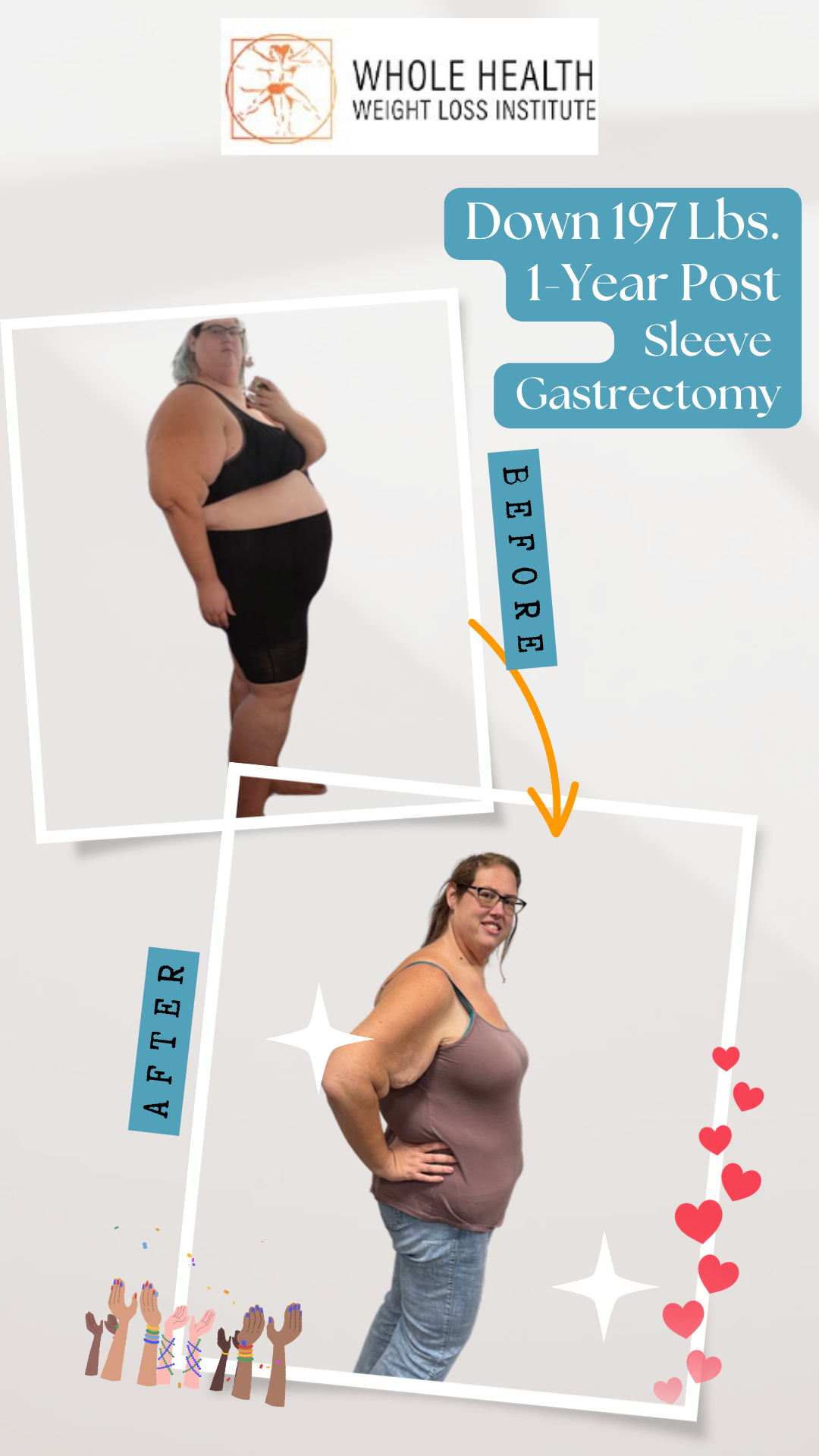
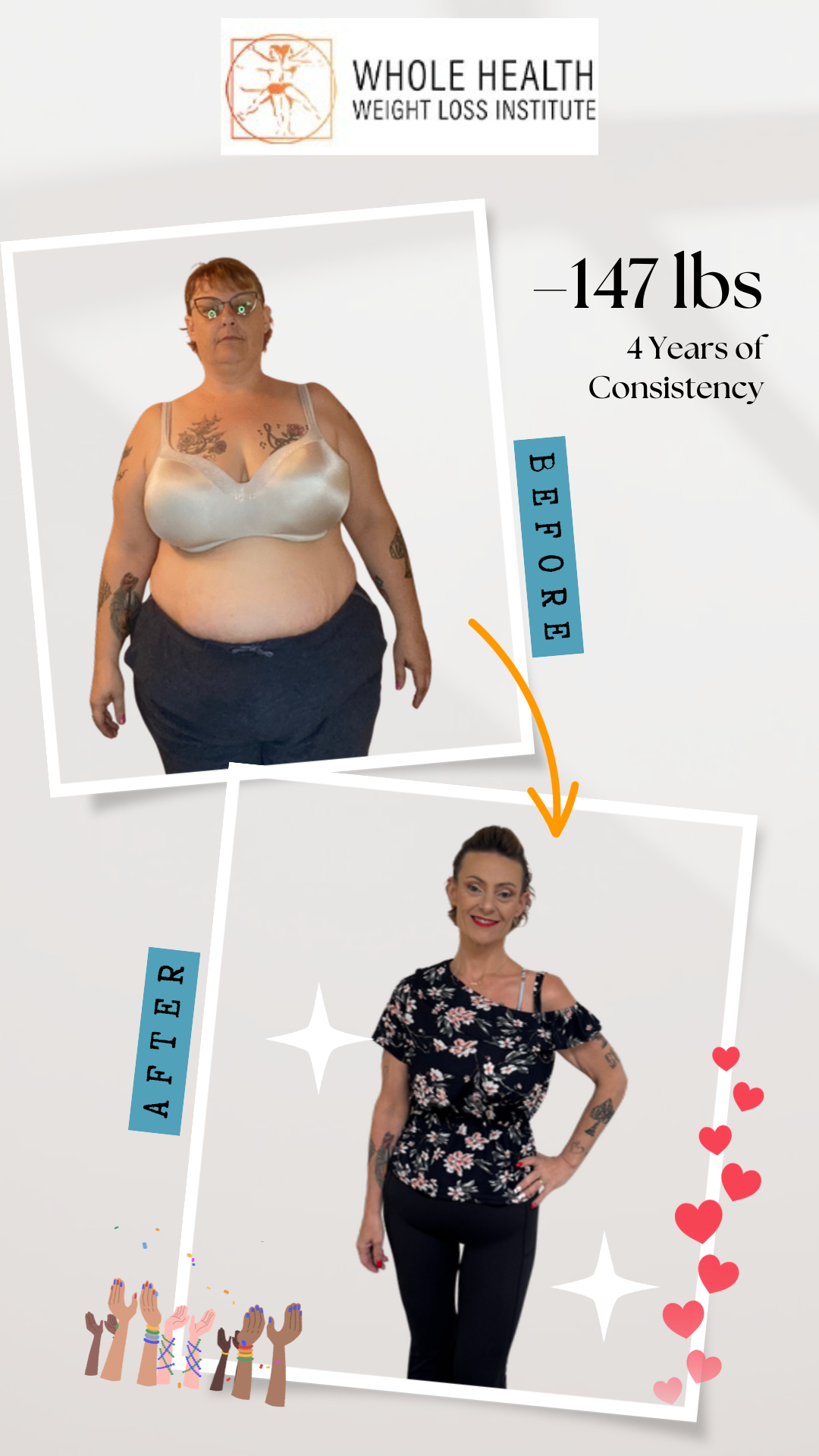
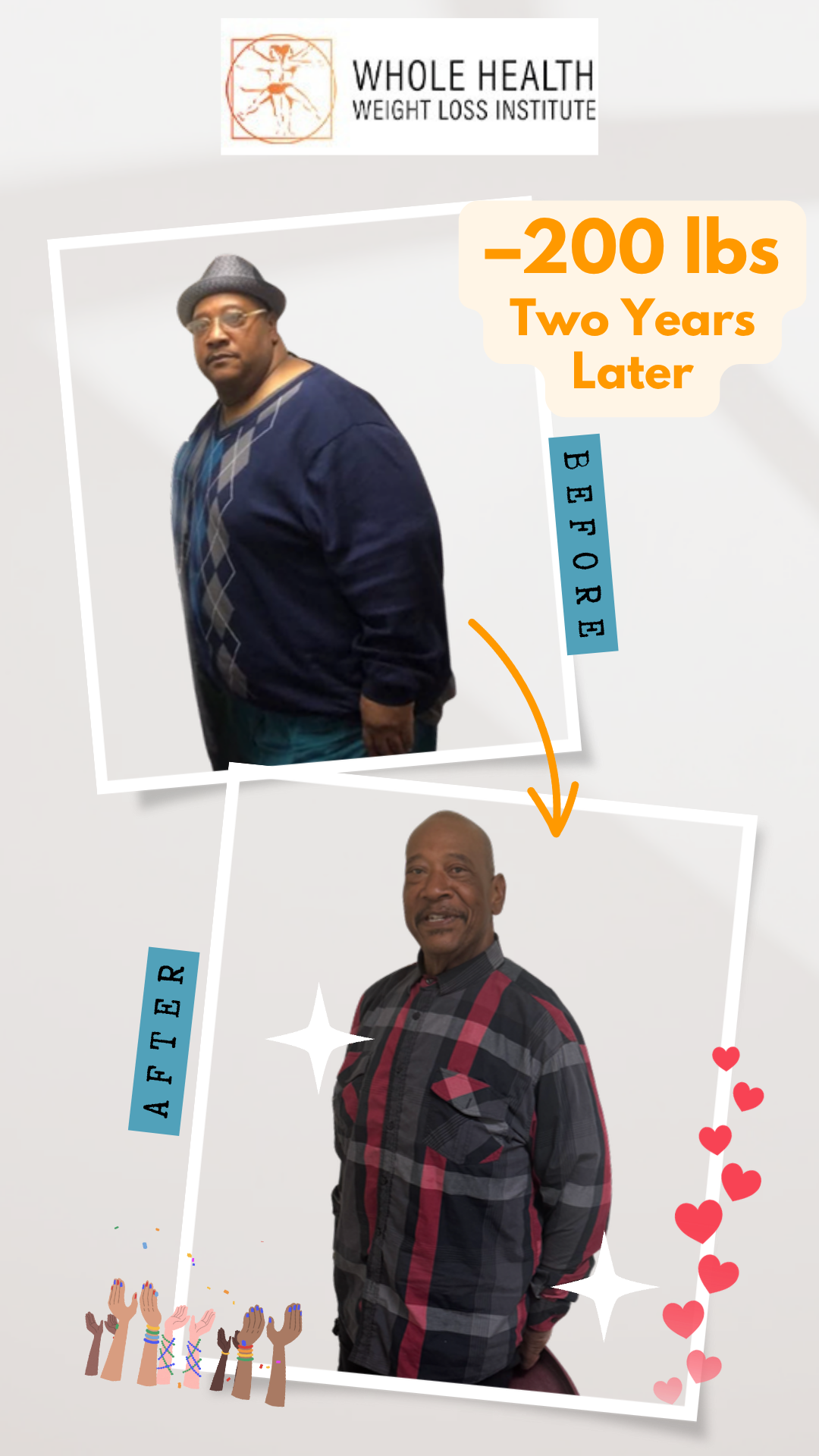
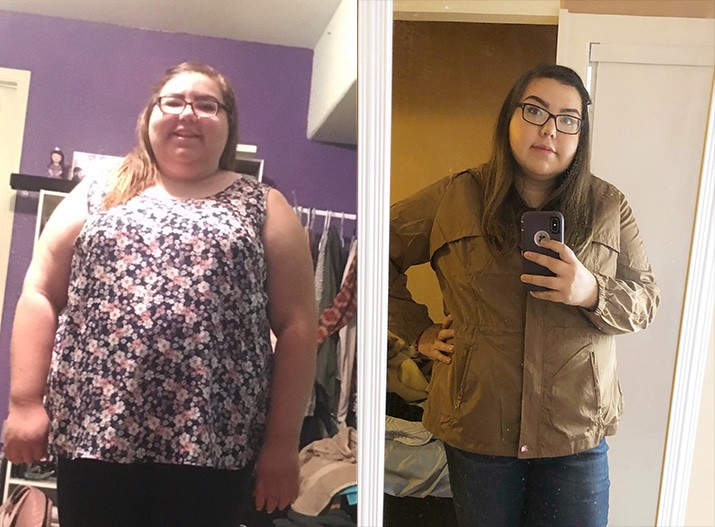
Real results
Shared with patient permission. Individual results vary.
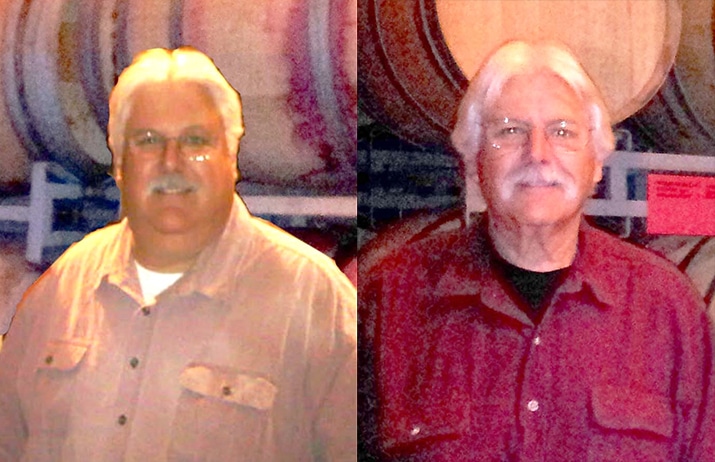
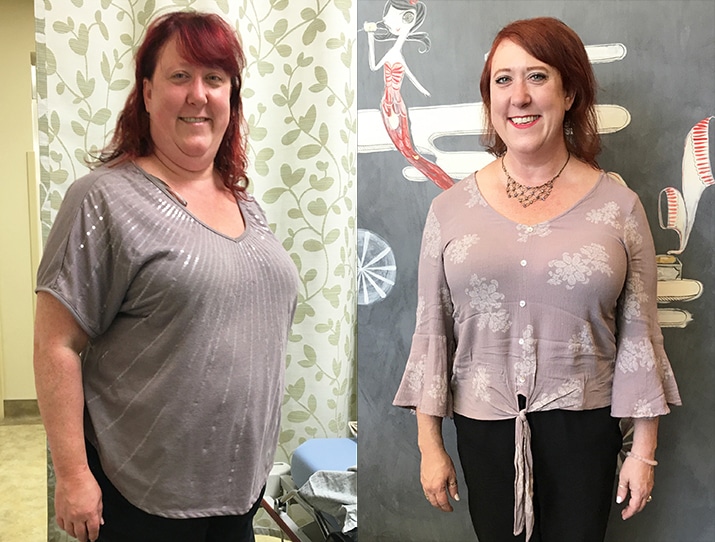
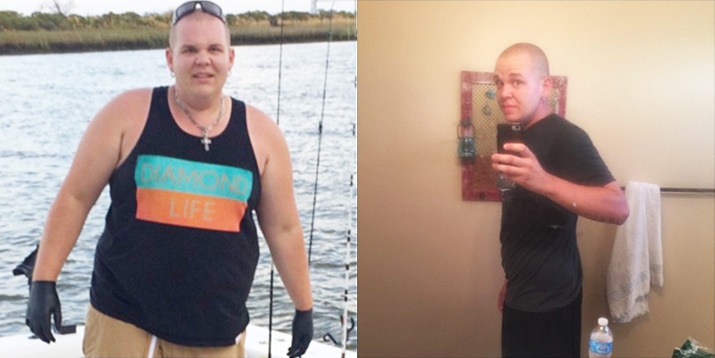
Follow the journey
Individual results vary
See full resultsFAQs
Most patients report less hunger than before surgery for the first 12–18 months — the ghrelin reduction is real and measurable.
No. The portion of stomach removed cannot be replaced. This is one reason we spend significant time during consultation discussing fit.
Most commercial plans and Medicare cover sleeve gastrectomy when criteria are met. We verify benefits before you commit.
Cash pay is typically $18,500–$22,000. Most major California insurers cover gastric sleeve for patients with BMI ≥ 35 plus a qualifying comorbidity, or BMI ≥ 40, with documented prior weight-loss attempts. We verify your specific coverage during consultation — no obligation.
Most patients are back to desk work in 1–2 weeks and lifting/intense exercise at 4–6 weeks. The first 6 weeks focus on hydration and protein, not the gym.
Sleeve is technically simpler, has a faster recovery, and avoids rerouting the intestines. Bypass typically produces more weight loss and resolves type 2 diabetes more consistently. Dr. Perryman will recommend based on your BMI, comorbidities, and reflux history.
Yes — bariatric multivitamin, B12, calcium, and vitamin D are lifelong. Most patients adapt to the routine quickly.
Insurance: Covered by most commercial insurance and Medicare when criteria are met. See insurance & financing →
Board-certified surgeon · Fellow, American College of Surgeons · Fellow, American Society for Metabolic and Bariatric Surgery · MBSAQIP Accredited Comprehensive Center · Blue Distinction Center for Bariatric Surgery
Surgery performed at Providence Queen of the Valley Medical Center.
Next step
A confidential consultation answers your questions, reviews your candidacy, and outlines a plan that fits your life.
Related procedures