
Bariatric Procedure
Roux-en-Y Gastric Bypass
The most-studied bariatric procedure in history — and still the best choice for many patients with diabetes or significant reflux.
Overview
The gold standard for severe reflux and type 2 diabetes.
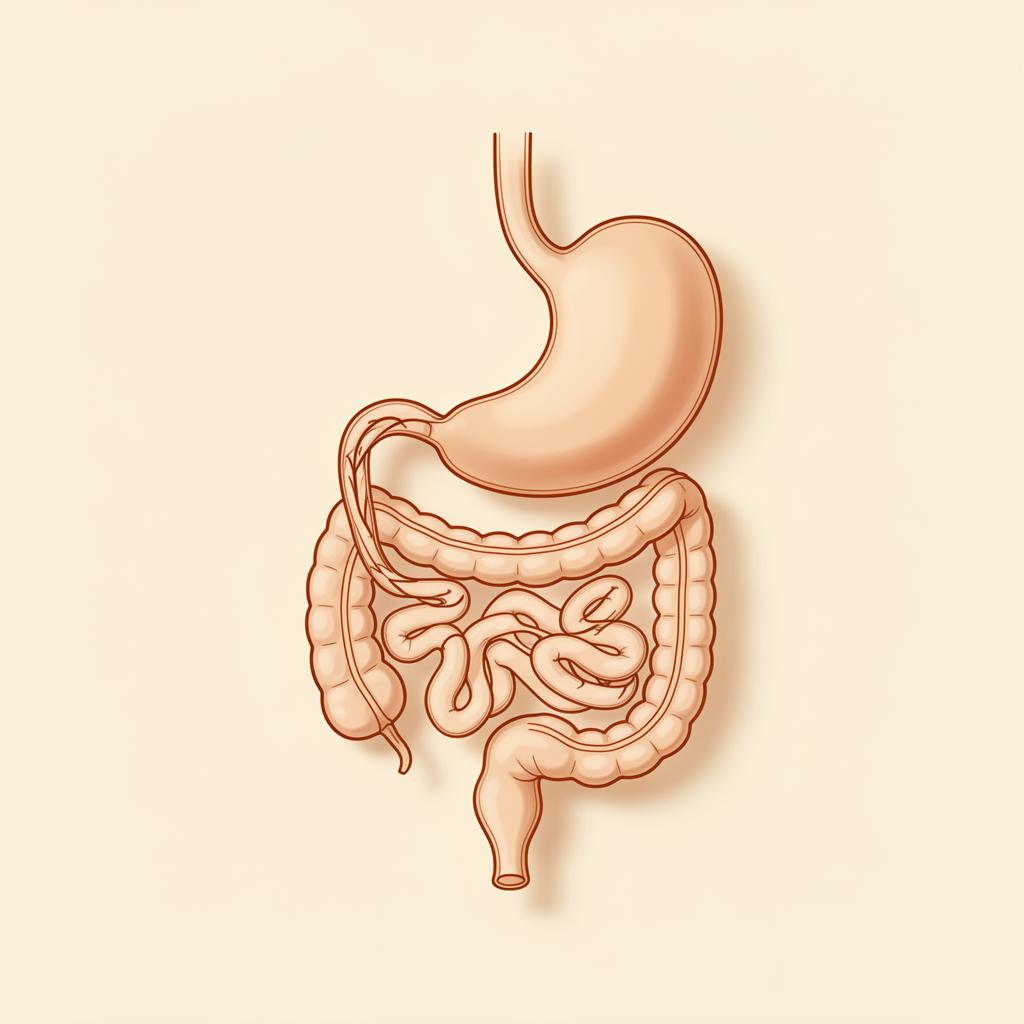
Gastric bypass creates a small stomach pouch and reroutes the small intestine — combining restriction, hormonal change, and modest malabsorption for powerful, durable results.
How it works
A clear, step-by-step picture.
Pouch
A small (~1 oz) stomach pouch is created and separated from the rest of the stomach.
Reroute
The small intestine is divided and the lower segment is connected directly to the new pouch.
Metabolic reset
Food bypasses the upper small intestine, triggering powerful hormonal changes that improve insulin sensitivity within days.
Watch & learn
Watch Dr. Perryman explain Gastric Bypass.
- Strongest diabetes resolution of any procedure
- Resolves severe GERD in nearly all cases
- 30+ years of long-term outcome data
- Larger initial weight loss than sleeve
Risks & honest considerations
We’d rather you know the real picture before deciding.
- Dumping syndrome possible when sugar reaches the small intestine too fast
- Lifelong vitamin and mineral supplementation is non-negotiable
- Internal hernia risk (~1–3%) is a recognized long-term concern
- Higher initial complication rate than sleeve — a more technically complex operation
- Anastomotic ulcers can occur, especially with NSAID use or smoking

Surgeon-led
Every step led by Dr. Perryman.
From your first consultation to long-term follow-up, you work directly with Dr. Scott Perryman — board-certified, fellowship-trained, with more than 1,600 bariatric procedures performed.
Recovery
What the timeline really looks like.
- Hospital1–2 nightsWalking the day of surgery; clear liquids.
- Week 1–2Liquid stageProtein shakes, sugar-free fluids. Energy returns gradually.
- Week 3–4Soft foodsMost patients back to desk work; light walking daily.
- Month 2+SolidsStructured eating; exercise progresses; lifelong supplement routine established.
Real results
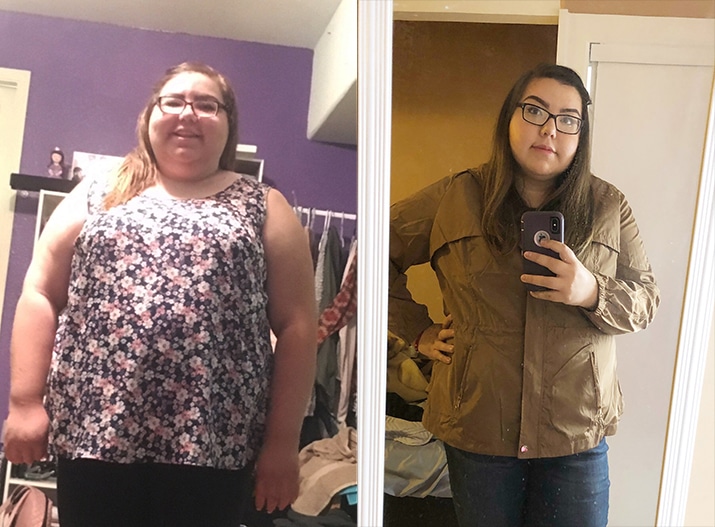
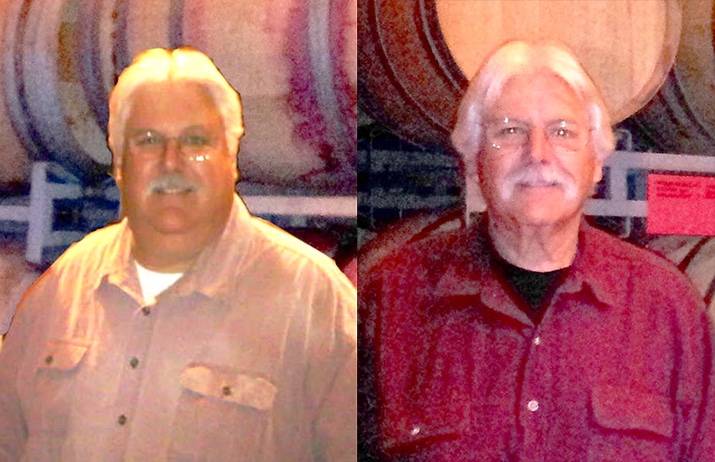
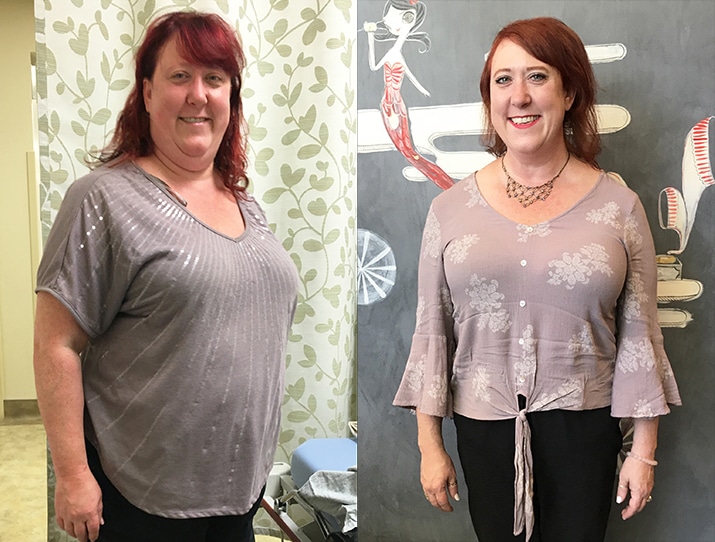
Real patients. Documented outcomes.
Shared with patient permission. Individual results vary.
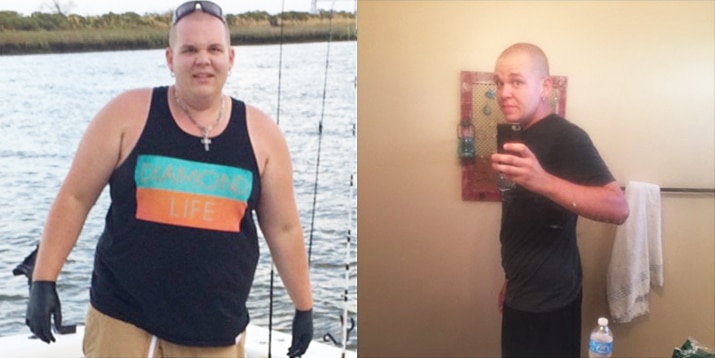
Follow the journey
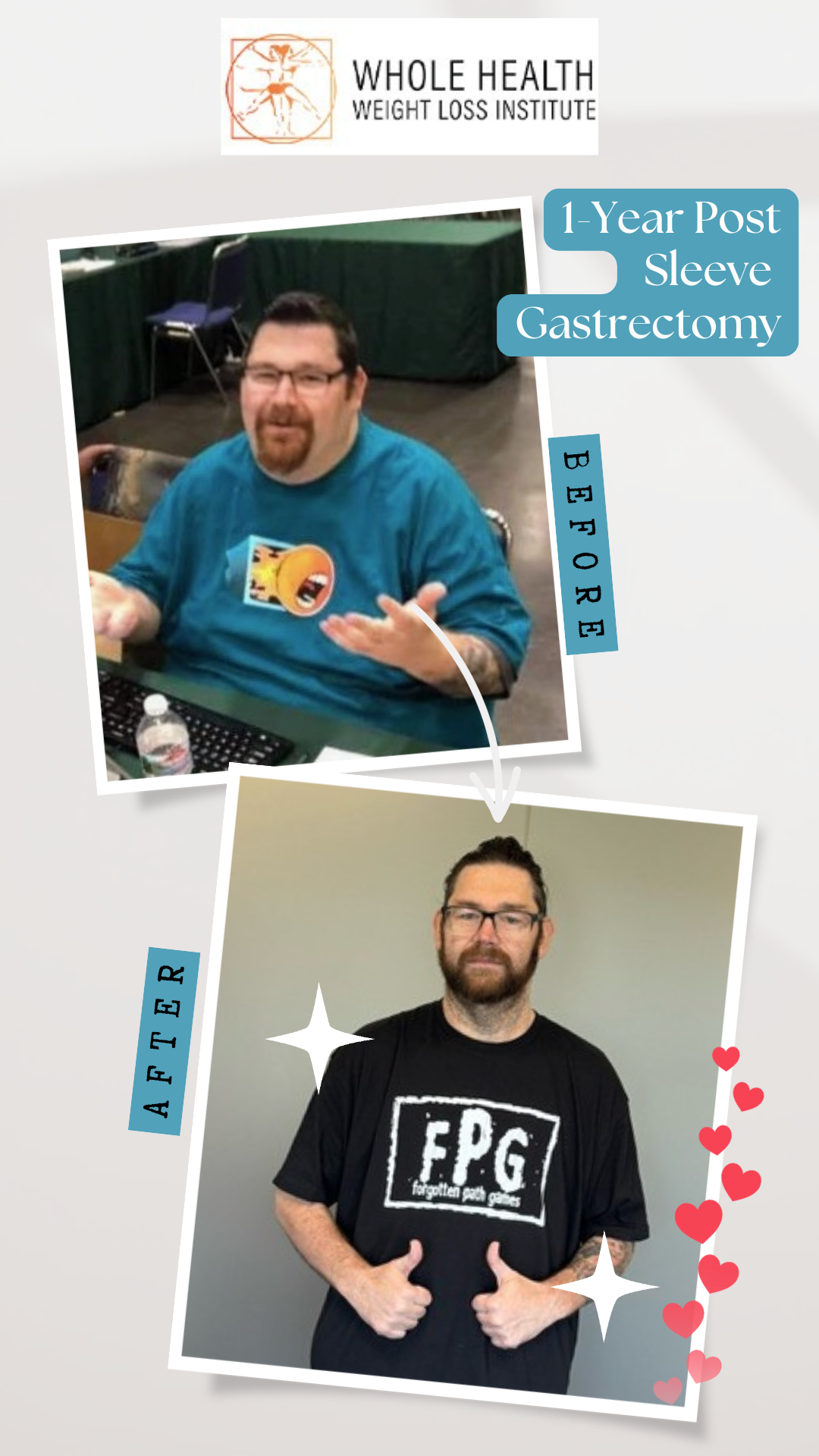
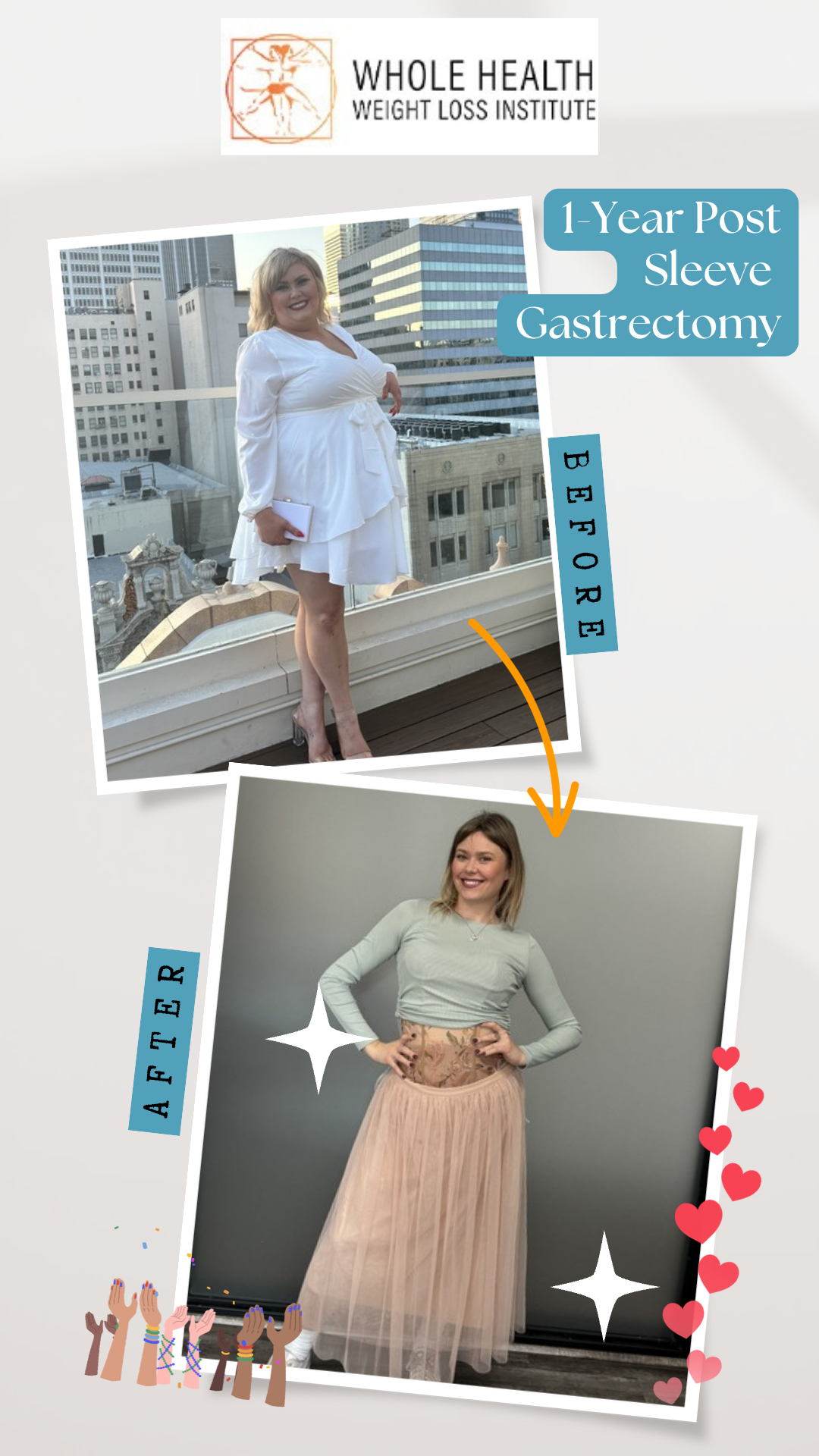
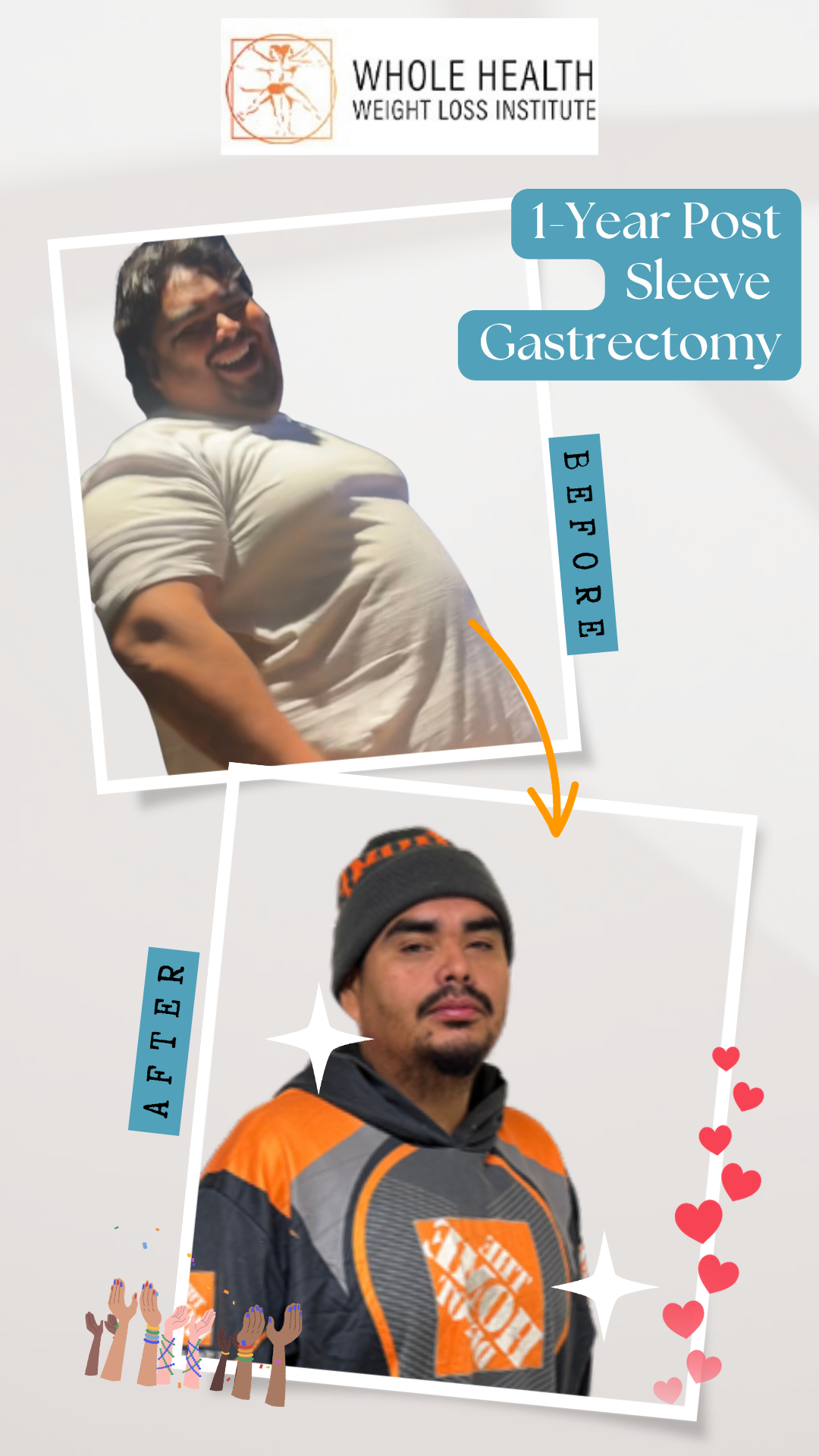
Individual results vary
See full resultsCompared to gastric sleeve
Bypass vs. sleeve, at a glance.
- Weight loss potential
- Bypass typically 10–15% more excess weight loss than sleeve
- Diabetes remission
- Bypass 85% vs sleeve 60% at 1 year
- Reflux
- Bypass often resolves reflux; sleeve can worsen it
FAQs
Common questions, answered honestly.
Is bypass reversible?
Technically reversible in rare medical circumstances, but it should be considered permanent.
Will I need vitamins forever?
Yes. A bariatric multivitamin, B12, calcium with D, and iron (for women) are lifelong.
Can I drink alcohol after?
Alcohol absorbs much faster post-bypass. Most patients wait 6+ months and use significantly less.
Is bypass safer or more dangerous than sleeve?
Bypass has a slightly higher early complication rate than sleeve (it's a more technically complex operation) but is still one of the safest abdominal surgeries performed today. Long-term risks differ — bypass has internal hernia risk, sleeve has reflux risk.
What does it cost? Is it insurance-covered?
Cash pay typically $22,000–$28,000. Strong insurance coverage in California for BMI ≥ 40, or BMI ≥ 35 with diabetes, sleep apnea, hypertension, or joint disease. We verify during consultation.
What's dumping syndrome, and can I prevent it?
Dumping is your body's response to sugar reaching the small intestine too fast — sweating, racing heart, nausea, diarrhea 30 minutes after eating. The fix is dietary: avoid concentrated sugars. Many patients see it as a built-in feedback loop.
How often will I need follow-up?
Lab work and visits every 3 months for year one, then twice a year for life. We monitor protein, iron, B12, calcium, vitamin D, and overall nutrition.
Insurance: Covered by virtually all commercial insurance and Medicare when criteria are met. See insurance & financing →
Board-certified surgeon · Fellow, American College of Surgeons · Fellow, American Society for Metabolic and Bariatric Surgery · MBSAQIP Accredited Comprehensive Center · Blue Distinction Center for Bariatric Surgery
Surgery performed at Providence Queen of the Valley Medical Center.
Next step
Talk with Dr. Perryman — no obligation.
A confidential consultation answers your questions, reviews your candidacy, and outlines a plan that fits your life.
Related procedures