

Bariatric Procedure
Gastric Sleeve
A single-stage, minimally invasive procedure with strong long-term outcomes and the fastest recovery in modern bariatric surgery.
Overview
The most performed weight-loss procedure worldwide.
Sleeve gastrectomy reduces the stomach to a slim, banana-shaped pouch — restricting volume and dramatically lowering hunger hormones for durable, sustainable weight loss.
How it works
A clear, step-by-step picture.
Reshape
About 75–80% of the stomach is removed laparoscopically, leaving a slim sleeve roughly the size of a banana.
Restrict
Smaller meals satisfy you sooner — typical portions become 4–6 ounces at a time.
Rewire hunger
Removing the fundus dramatically lowers ghrelin (the hunger hormone), reducing cravings and appetite.
Watch & learn
Watch Dr. Perryman explain Gastric Sleeve.
- No rerouting of the intestines
- Lower long-term vitamin deficiency risk than bypass
- Strong improvement in type 2 diabetes, hypertension, sleep apnea
- Single-stage, minimally invasive (5–6 small incisions)
Risks & honest considerations
We’d rather you know the real picture before deciding.
- Leaks at the staple line are uncommon (<1%) but serious when they occur
- Strictures and increased reflux risk are recognized long-term issues
- Nutritional deficiencies if bariatric supplements are skipped — labs and vitamins are non-negotiable
- Irreversible — the removed portion of stomach cannot be replaced
- Weight regain is possible without long-term lifestyle adherence

Surgeon-led
Every step led by Dr. Perryman.
From your first consultation to long-term follow-up, you work directly with Dr. Scott Perryman — board-certified, fellowship-trained, with more than 1,600 bariatric procedures performed.
Recovery
What the timeline really looks like.
- Hospital1–2 nightsWalking the same day, clear liquids only.
- Week 1–2Liquid stageProtein shakes, broth. Off pain medication by end of week 1 for most patients.
- Week 3–4Soft foodsPureed and soft proteins introduced. Most return to desk work.
- Month 2+Solids reintroducedStructured eating habits become second nature. Exercise progression begins.
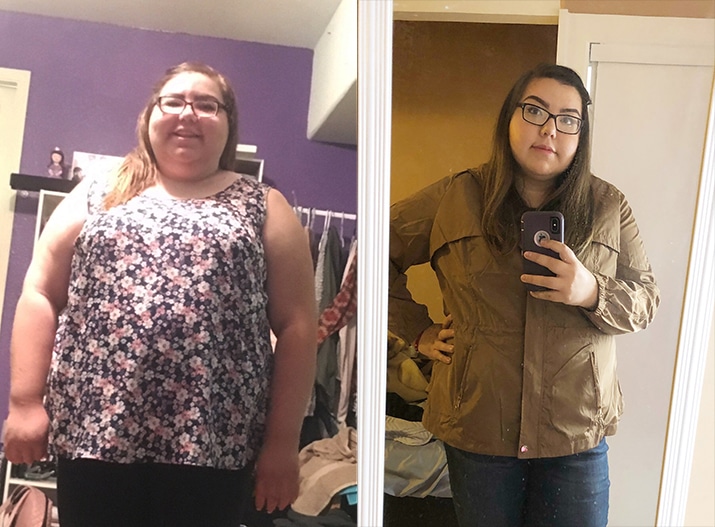
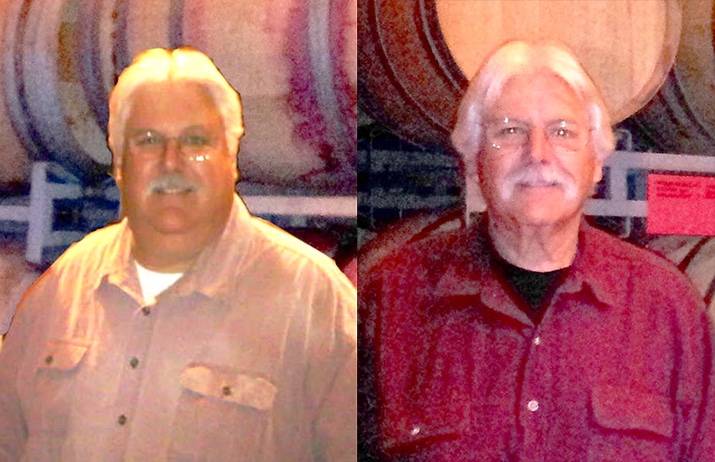
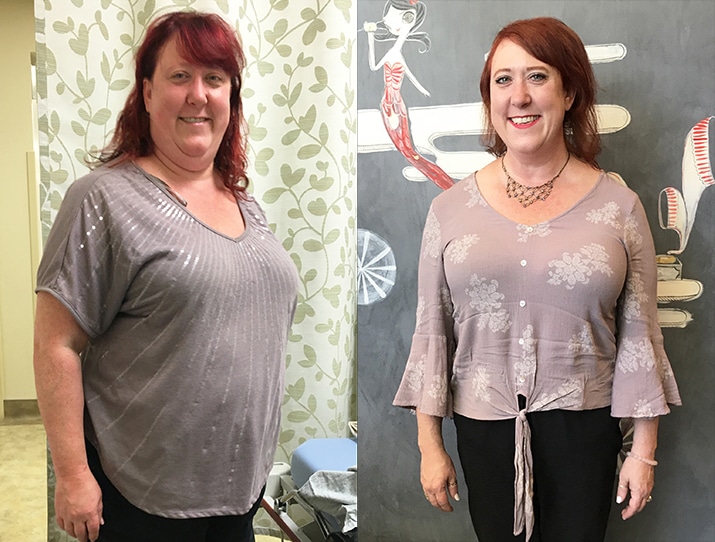
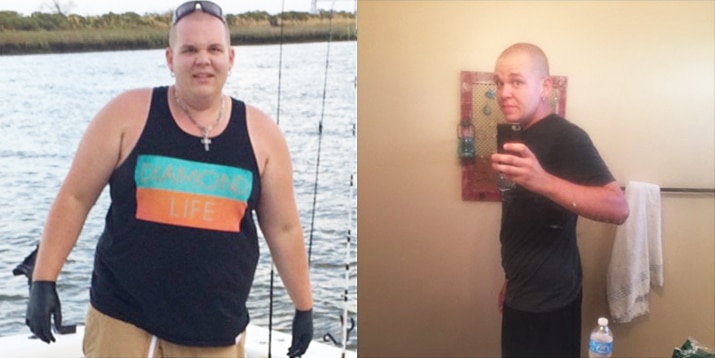
Real results
Real patients. Documented outcomes.
Shared with patient permission. Individual results vary.
Follow the journey
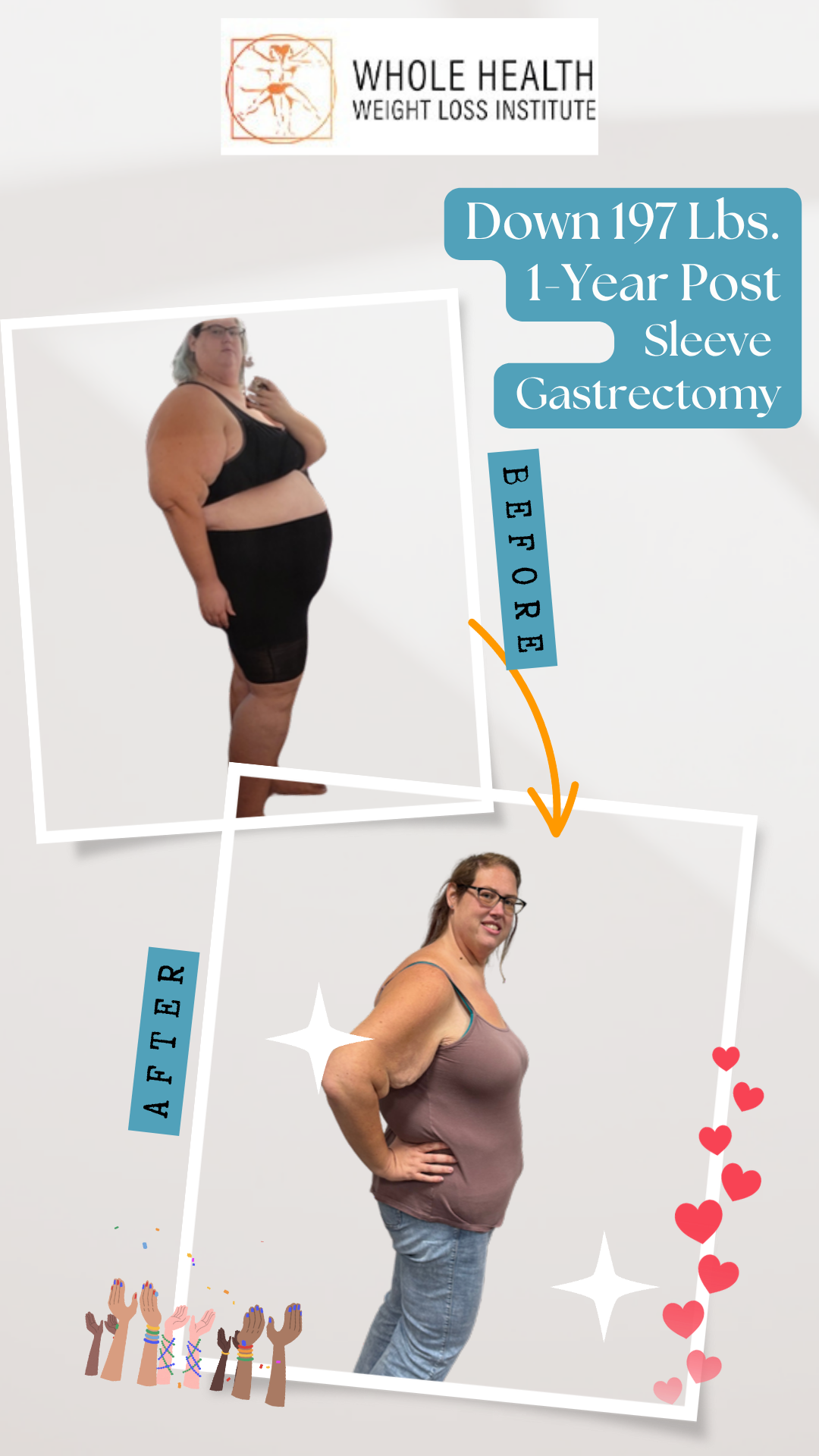
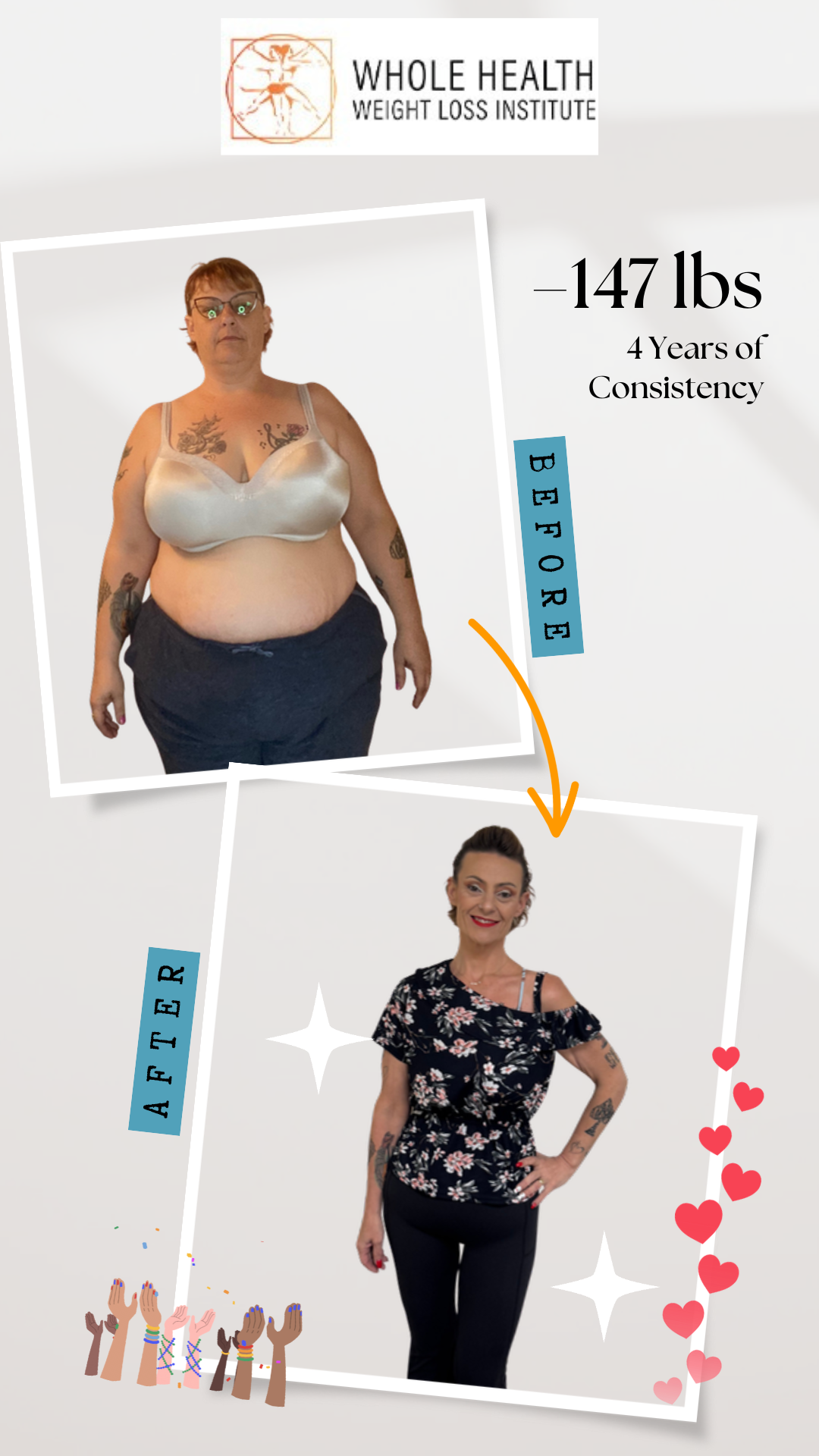
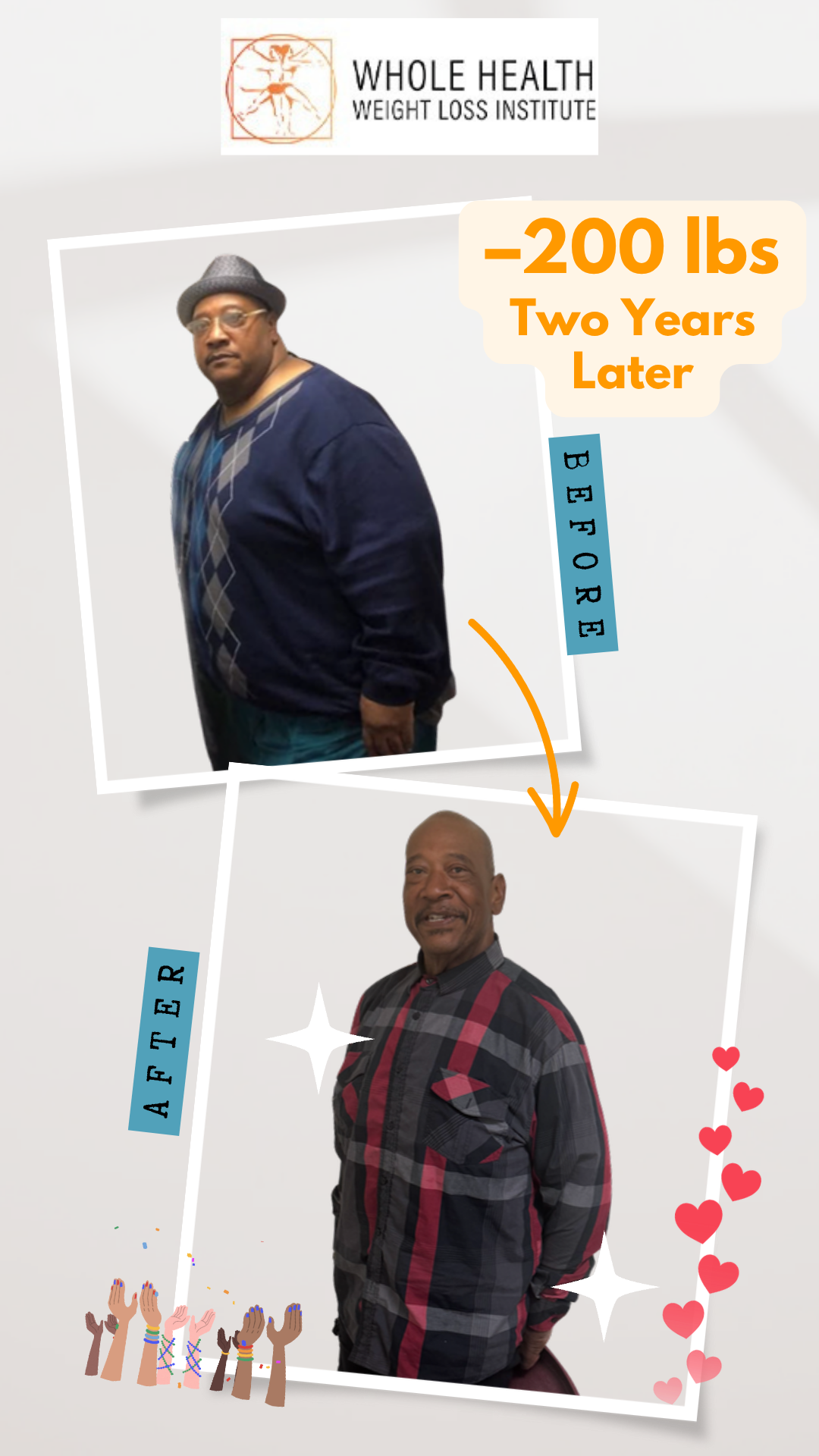
Individual results vary
See full resultsFAQs
Common questions, answered honestly.
Will I be hungry all the time?
Most patients report less hunger than before surgery for the first 12–18 months — the ghrelin reduction is real and measurable.
Is the sleeve reversible?
No. The portion of stomach removed cannot be replaced. This is one reason we spend significant time during consultation discussing fit.
Will insurance cover it?
Most commercial plans and Medicare cover sleeve gastrectomy when criteria are met. We verify benefits before you commit.
How much will it cost? Will my insurance cover it?
Cash pay is typically $18,500–$22,000. Most major California insurers cover gastric sleeve for patients with BMI ≥ 35 plus a qualifying comorbidity, or BMI ≥ 40, with documented prior weight-loss attempts. We verify your specific coverage during consultation — no obligation.
How long is recovery, and when can I work out again?
Most patients are back to desk work in 1–2 weeks and lifting/intense exercise at 4–6 weeks. The first 6 weeks focus on hydration and protein, not the gym.
How does the sleeve compare to gastric bypass?
Sleeve is technically simpler, has a faster recovery, and avoids rerouting the intestines. Bypass typically produces more weight loss and resolves type 2 diabetes more consistently. Dr. Perryman will recommend based on your BMI, comorbidities, and reflux history.
Will I need to take vitamins forever?
Yes — bariatric multivitamin, B12, calcium, and vitamin D are lifelong. Most patients adapt to the routine quickly.
Insurance: Covered by most commercial insurance and Medicare when criteria are met. See insurance & financing →
Board-certified surgeon · Fellow, American College of Surgeons · Fellow, American Society for Metabolic and Bariatric Surgery · MBSAQIP Accredited Comprehensive Center · Blue Distinction Center for Bariatric Surgery
Surgery performed at Providence Queen of the Valley Medical Center.
Next step
Talk with Dr. Perryman — no obligation.
A confidential consultation answers your questions, reviews your candidacy, and outlines a plan that fits your life.
Related procedures