

Bariatric Procedure
Gastric Band (Lap Band)
Adjustable restriction with no rerouting of the intestines — or expert removal and conversion if your existing band is no longer working.
Overview
Adjustable, reversible restriction — and expert band removal.
An adjustable silicone band placed around the upper stomach to create a small pouch. Once a primary weight-loss tool, the band is now most often a procedure we remove or replace with sleeve or bypass — and we have deep experience with both.
How it works
A clear, step-by-step picture.
Band placement
A hollow silicone band is placed laparoscopically around the upper stomach.
Adjustments
The band is tightened or loosened through a port placed under the skin — outpatient, in-office.
Removal or conversion
Most modern centers now convert bands to sleeve or bypass when the band is no longer serving the patient.
- Fully adjustable
- Reversible — no permanent anatomy change
- Lowest peri-operative risk of any bariatric surgery
Risks & honest considerations
We’d rather you know the real picture before deciding.
- Band slippage occurs in 5–10% of patients long-term
- Erosion of the band into the stomach wall is a recognized risk
- Port complications (flips, infection, leakage) require revision
- Weight loss is slower and less durable than sleeve or bypass
- Many patients eventually convert to sleeve or bypass

Surgeon-led
Every step led by Dr. Perryman.
From your first consultation to long-term follow-up, you work directly with Dr. Scott Perryman — board-certified, fellowship-trained, with more than 1,600 bariatric procedures performed.
Recovery
What the timeline really looks like.
- Day ofOutpatientMost patients go home the same day.
- Week 1–2Liquids
- Week 3–4Soft foods
- OngoingAdjustmentsIn-office band fills as needed.
Real results
Real patients. Documented outcomes.
Shared with patient permission. Individual results vary.
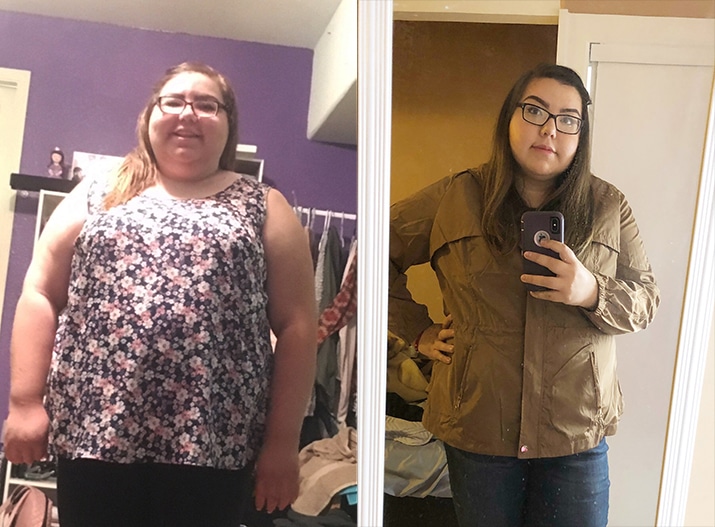


Follow the journey
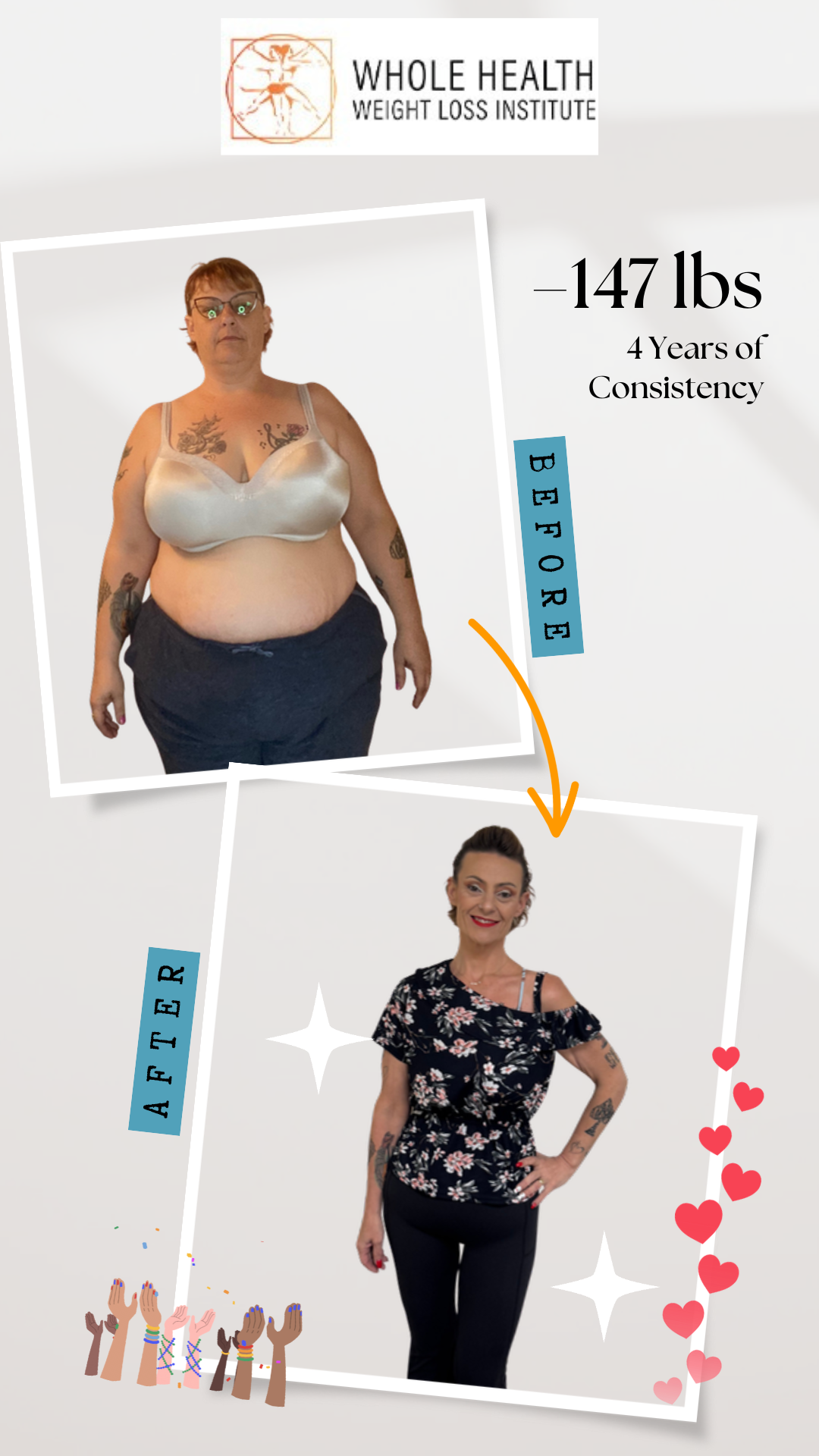
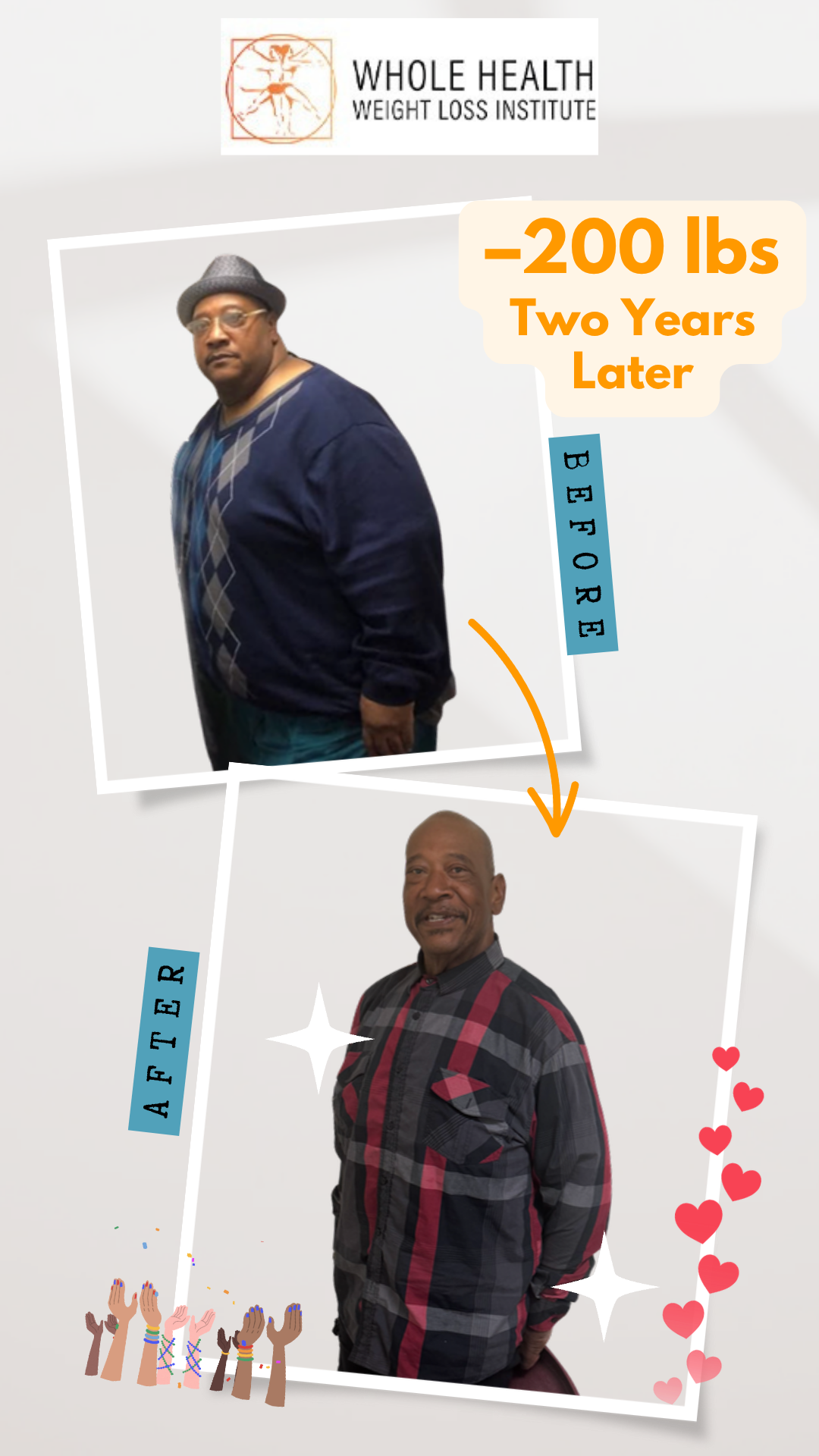
Individual results vary
See full resultsFAQs
Common questions, answered honestly.
I had a band years ago — can you remove it?
Yes. Band removal and conversion to sleeve or bypass is a common procedure for us.
Should I get a new band today?
We discuss honestly — for most new patients, sleeve or bypass offers more durable results.
Do you still recommend gastric band as a first-line option?
Honestly, no — the data on long-term durability isn't strong and most modern bariatric programs (including ours) have shifted to sleeve and bypass as primary procedures. We continue to offer band placement for selected patients and are experts in band removal, replacement, and conversion to sleeve or bypass when needed.
How often do bands need adjustment?
Adjustments typically every 4–8 weeks in the first year as we find your optimal restriction. After year one, adjustments are usually only needed when weight loss stalls or symptoms change.
I have an old band that's giving me trouble — can you help?
Yes. Dr. Perryman is an expert in band removal, troubleshooting, and conversion. Many patients with slipped, eroded, or underperforming bands convert to sleeve or bypass in a single operation.
Board-certified surgeon · Fellow, American College of Surgeons · Fellow, American Society for Metabolic and Bariatric Surgery · MBSAQIP Accredited Comprehensive Center · Blue Distinction Center for Bariatric Surgery
Surgery performed at Providence Queen of the Valley Medical Center.
Next step
Talk with Dr. Perryman — no obligation.
A confidential consultation answers your questions, reviews your candidacy, and outlines a plan that fits your life.
Related procedures