

Mindset
The Emotional Side of Weight Loss: A Whole-Health View
Most weight-loss conversations focus on the body — the procedure, the pounds, the before-and-after. But ask anyone who's been through it, and they'll tell you the deeper work is internal. Surgery changes your anatomy in an afternoon; changing your relationship with food, your body, and yourself is the journey that follows. At Whole Health, that inner work isn't an afterthought — it's the whole point.
Surgery changes your body — and your relationship with food
For many people, food has been comfort, celebration, stress relief, and routine for a lifetime. After surgery, the physical relationship with food changes overnight — but the emotional one doesn't disappear on its own. Learning to meet stress, boredom, and big feelings without turning to food is one of the most important skills of the journey, and it's entirely learnable with the right support.
The emotional adjustment is normal
It's common — and completely normal — to feel a swirl of emotions in the months after surgery: excitement and pride, but also moments of grief, identity shifts, and the strange experience of being treated differently as your body changes. None of this means anything is wrong. It means you're human, and you're growing. Naming these feelings, rather than pushing them down, is part of healing.
Mindfulness and "heartfulness"
This is where our philosophy gets specific. Practicing mindfulness — simply paying attention, on purpose, without judgment — helps you notice the difference between physical hunger and emotional hunger, and to pause before you act. Dr. Perryman extends this into what he calls heartfulness: bringing compassion and intention to the journey, not just discipline. (It's the heart of his book, A Heartful Weight Loss Journey.) And here's the key truth from our seminar: knowing about mindfulness isn't the same as practicing it. Like any skill, it grows with practice.
“Knowing about mindfulness isn't the same as practicing it. Like any skill, it grows with practice.”
You don't do it alone
One of the strongest predictors of long-term success isn't willpower — it's support. Leaning on your care team, your support group, and the people who love you carries you through the hard stretches. And if you find you need more, reaching out to a mental-health professional is a sign of strength, never weakness. We connect you with community and tools — including guided meditations for every stage of the journey — so you're never navigating the emotional side alone.
A whole-person approach
The reason we call it Whole Health is simple: lasting transformation happens when we care for the mind alongside the body. The number on the scale matters, but so does how you feel waking up in the morning, how you talk to yourself, and whether you've built a life that supports the new you. That's the work worth doing — and it's the work we do together.
This article is for educational purposes only and is not medical or mental-health advice. If you're struggling emotionally, please reach out to your care team or a qualified professional.
Published April 1, 2026 · Written by Whole Health Weight Loss Institute · Reviewed by Scott V. Perryman, MD, FACS, FASMBS
Back to the blogKeep reading
Related articles

Managing cravings and emotional eating
Cravings are not a character flaw — they are information. A gentler framework for the moments diet plans don’t cover.

Getting started: what the first 90 days of preparation look like
From your first consultation to surgery day — a roadmap that takes the guesswork out of getting ready.
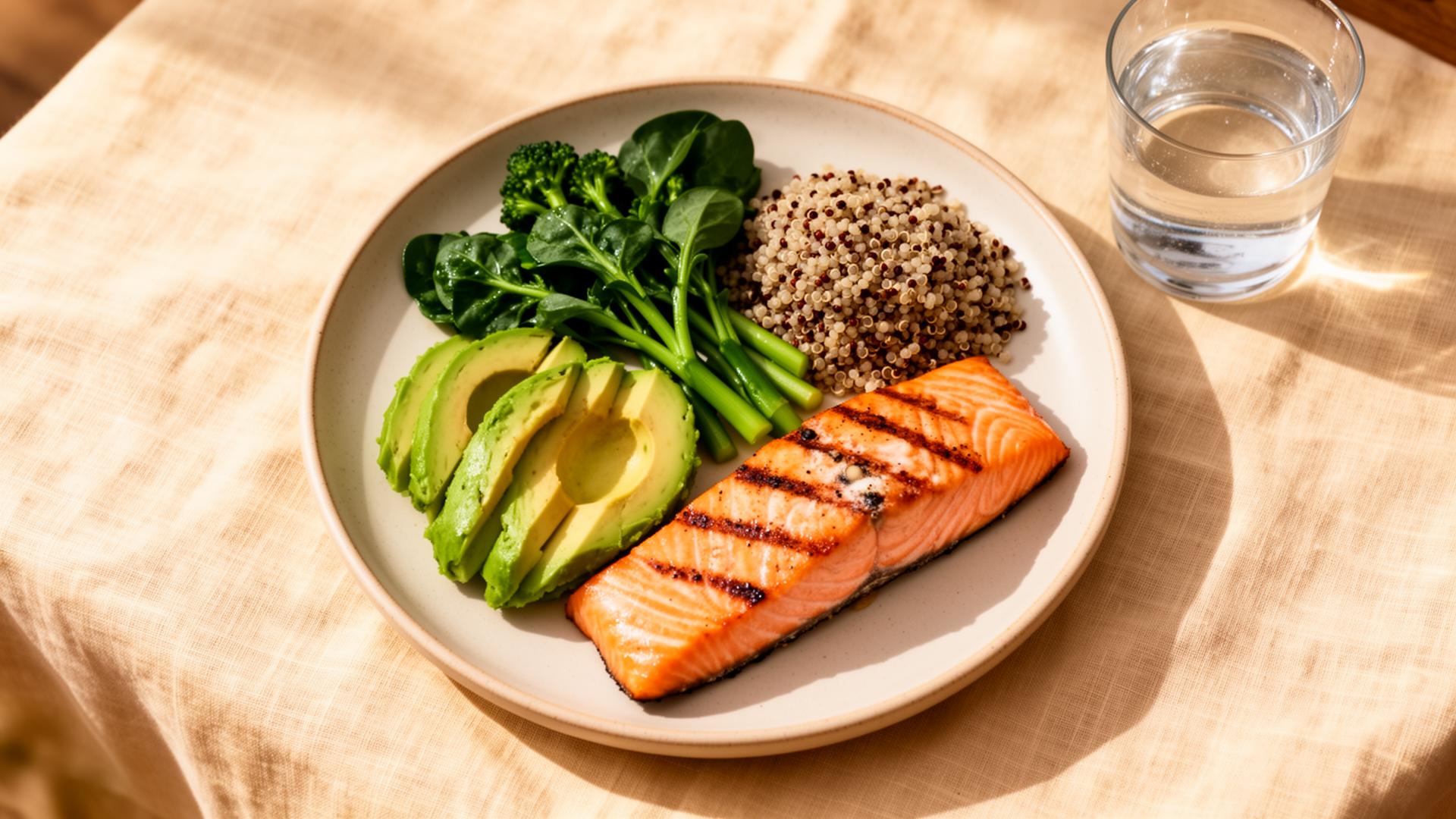
Life After Bariatric Surgery: Nutrition, Vitamins & Habits
Protein, vitamins, hydration, and the daily habits that make weight loss last after bariatric surgery.