
Life After Surgery
Life After Bariatric Surgery: Nutrition, Vitamins & Habits
Surgery is the reset button — but the years that follow are where the real transformation lives. The good news is that life after bariatric surgery isn't about deprivation or willpower battles; it's about a handful of clear, learnable habits that become second nature. Here's what daily life actually looks like, and the routines that keep your results for the long haul.
The new way of eating: protein first
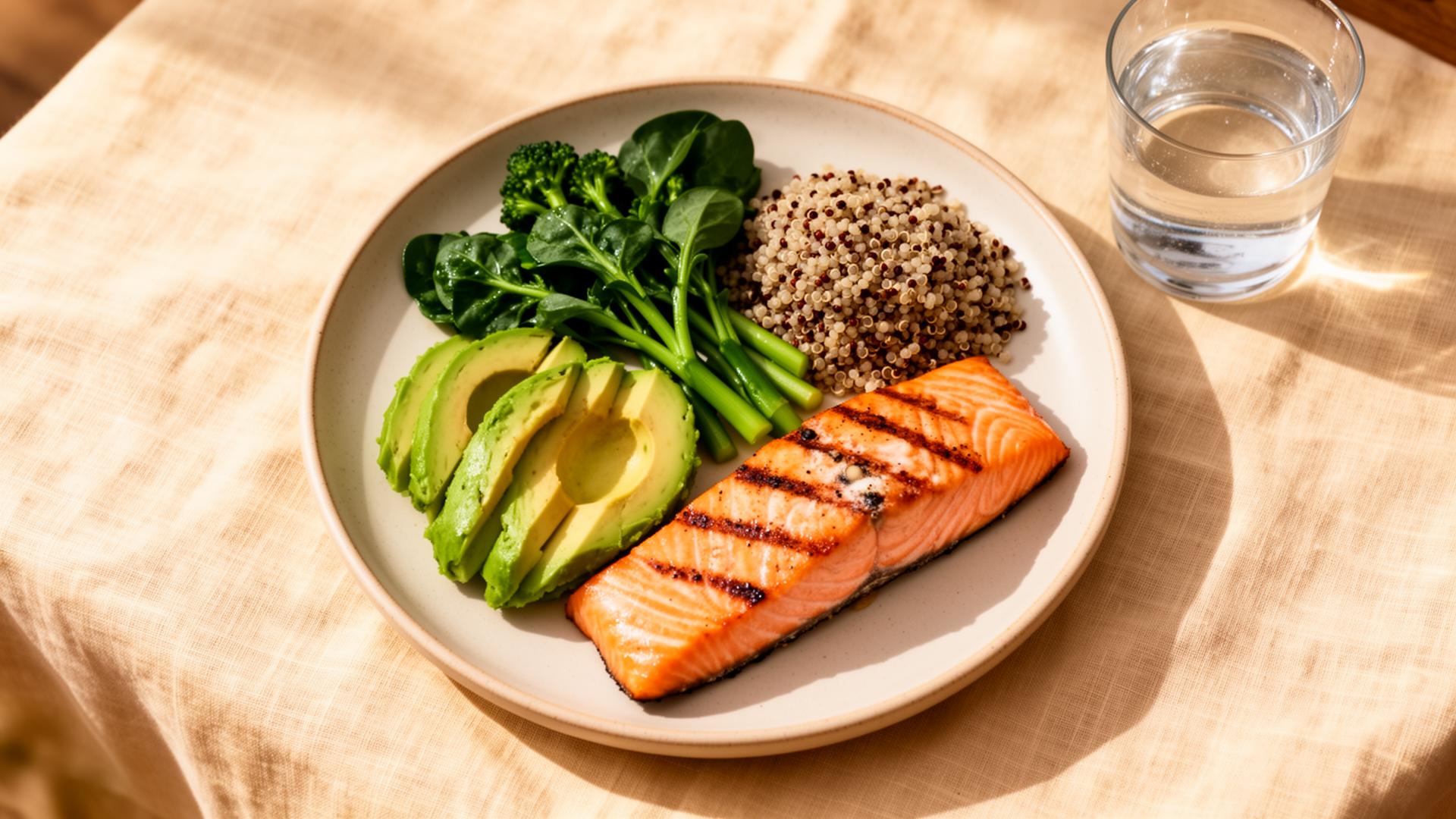
After surgery, your stomach holds far less, so every bite has to count — and protein leads the way. Prioritizing protein at every meal protects your muscle, keeps you full longer, and supports healing. Most patients aim for roughly 60–90 grams of protein a day, eating it before filling up on anything else. Meals become small and frequent, eaten slowly and chewed well. It feels different at first, then it simply feels normal.
Hydration: small sips, all day
Staying hydrated is one of the simplest things you can do and one of the easiest to overlook. The target is usually around 48–64 ounces of fluid daily, taken as steady sips between meals rather than with them — drinking with meals fills your small stomach too quickly and crowds out food. Keeping a water bottle within reach all day is the habit that makes this effortless.
Vitamins and supplements — for life
Because you're eating less (and, with some procedures, absorbing nutrients differently), supplements aren't optional — they're part of the plan for life. A bariatric-formulated multivitamin is the foundation, often alongside B12, calcium, vitamin D, and iron, depending on your procedure and labs. Routine follow-up bloodwork lets your team catch and correct any gaps early. Think of it as maintenance for the body that's working hard for you.
Building habits that stick
The patients who thrive long-term tend to build a simple rhythm: regular meals, daily movement, consistent sleep, and showing up for follow-up appointments. None of it is dramatic — it's the small, repeatable things done consistently. Movement doesn't mean punishing workouts; it means walking, building activity into your day, and gradually adding strength as your energy returns.
The mindset piece
Here's what most plans leave out: the mental side matters as much as the menu. Learning to recognize emotional eating, to pause and check in with yourself, and to separate genuine hunger from habit or stress is what makes the changes durable. This is the heart of our whole-health philosophy — and it's why we surround you with support, not just instructions.
“The physical transformation happens in the first year. The habits you build in that year are what protect it for life.”
You're not figuring it out alone
Every patient gets guidance, follow-up, and a community walking the same path. Questions come up months and even years out, and that's exactly what your care team is for. The plan isn't meant to be memorized overnight — it's meant to be lived, one supported step at a time.
This article is for educational purposes only and is not medical advice. Nutrition needs are individualized; follow your care team's specific guidance.
Published February 15, 2026 · Written by Whole Health Weight Loss Institute · Reviewed by Scott V. Perryman, MD, FACS, FASMBS
Back to the blogKeep reading
Related articles

Your First Year After Gastric Sleeve: What to Expect
From surgery day to month 12 — what recovery, eating, and results really look like after gastric sleeve surgery.

Protein-first eating, and why it makes every meal easier
A simple framework for building plates that keep you full, energized, and on track — surgery or not.

The first week after bariatric surgery: a calm, honest guide
What to expect day by day at home — energy, hydration, mood, and the small wins that matter most.