

GLP-1
Where GLP-1 medications fit in your weight-loss plan
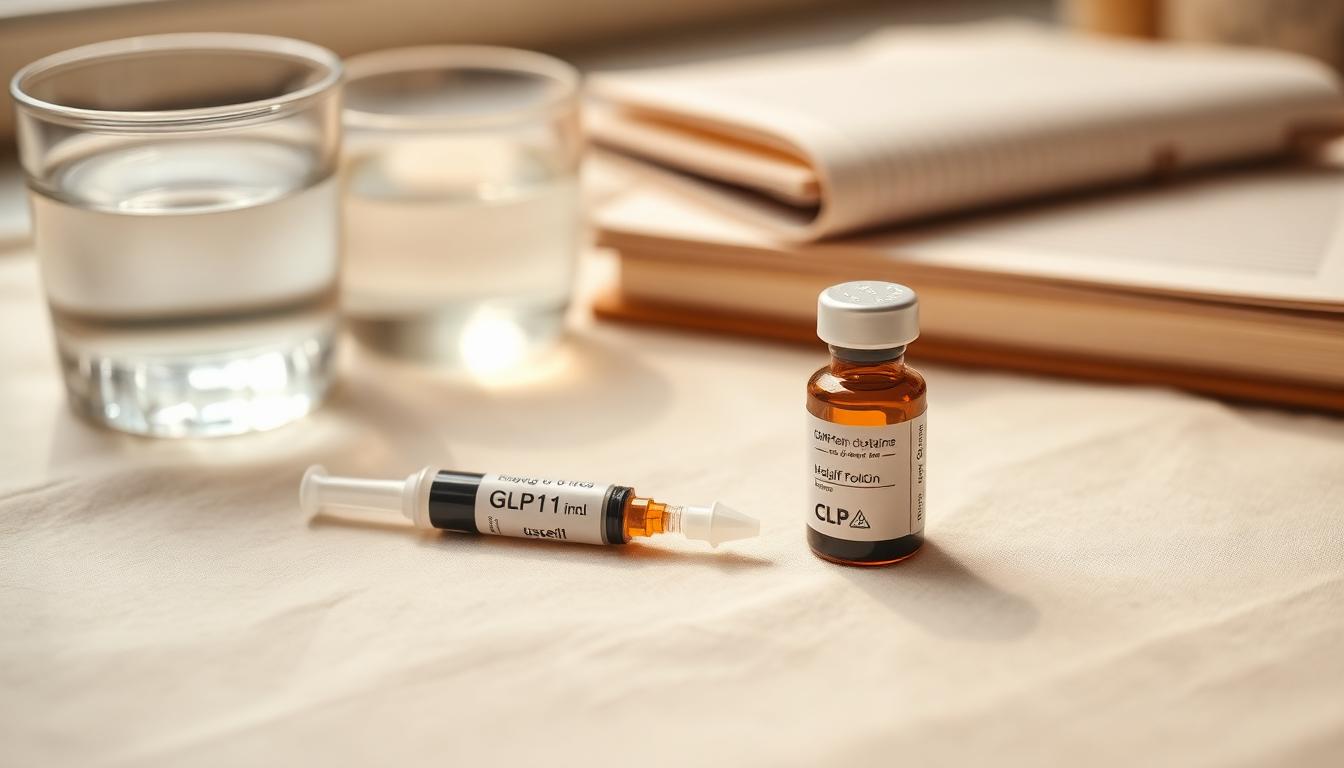
Few medications have changed weight-loss medicine like GLP-1 receptor agonists. Semaglutide (Wegovy, Ozempic) and tirzepatide (Mounjaro, Zepbound) reduce appetite, slow gastric emptying, and improve blood sugar — and in many patients, they produce meaningful weight loss within months.
Still, they are not a shortcut. They work best inside a structured plan with nutrition coaching and follow-up.
Where GLP-1s shine
- Adults not yet ready for surgery but who need help beyond diet and exercise
- People with type 2 diabetes or pre-diabetes
- Patients regaining weight after a previous bariatric procedure
“Think of GLP-1s as one chapter in your story — not the whole book.”
Where they fall short
Many patients regain weight when they stop. Side effects (nausea, fatigue, GI upset) are common in the first weeks. Insurance coverage is uneven. And without nutrition and movement habits, the medication does most of the lifting — which is hard to sustain.
How we use them at Whole Health
Some patients start with GLP-1s for 6–12 months. Some pair the medication with surgery for better long-term results. Others use it short-term to break a plateau. The right path is the one that matches your goals, history, and insurance reality.
Published March 15, 2026 · Written by Dr. Scott Perryman · Reviewed by Scott V. Perryman, MD, FACS, FASMBS
Back to the blogKeep reading
Related articles

What is the gastric sleeve, in plain language
A clear, jargon-free look at how vertical sleeve gastrectomy works and who it tends to help most.

Getting started: what the first 90 days of preparation look like
From your first consultation to surgery day — a roadmap that takes the guesswork out of getting ready.
GLP-1 Medications vs. Weight-Loss Surgery: Your Options
Ozempic-type medications or surgery? How they compare on results, durability, and who each option is right for.