
Procedures
Robotic Bariatric Surgery: Why Precision Matters
When you hear "robotic surgery," it's easy to picture a machine operating on its own. That's not what it is at all. Robotic-assisted bariatric surgery keeps your surgeon fully in control — it simply gives them better tools to do precise, delicate work. For weight-loss procedures, that precision translates into real benefits for patients. Here's what it actually means.
What robotic surgery really is
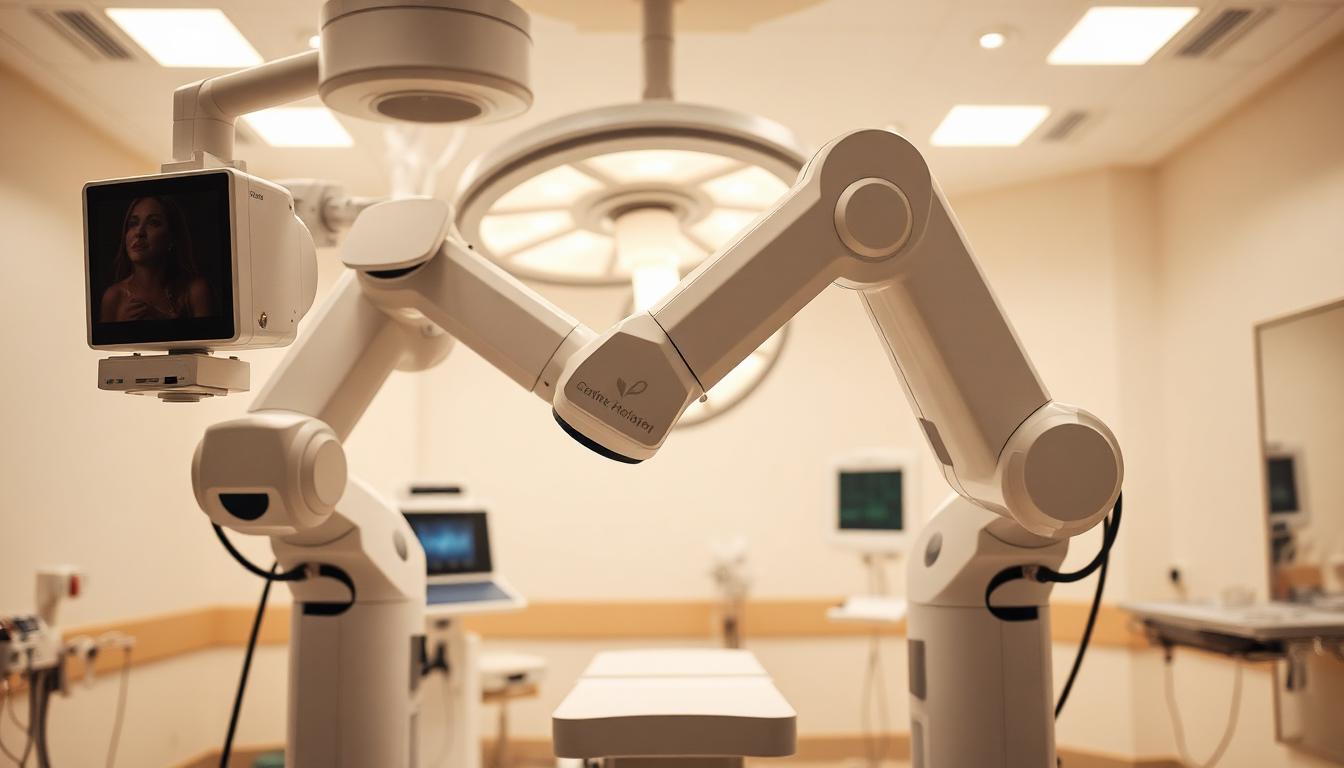
In a robotic-assisted procedure, your surgeon operates from a console, controlling tiny instruments through small incisions. The system translates the surgeon's hand movements into extremely precise motions, filters out any natural tremor, and provides a magnified, high-definition 3D view inside the body. Think of it as giving an already skilled surgeon steadier hands and sharper eyes — the judgment and decisions are entirely theirs.
Why precision matters in weight-loss surgery
Bariatric procedures involve careful work in a confined space — creating a sleeve, forming connections, working around delicate tissue. Greater precision can mean more accurate, consistent results and finer control during the most delicate steps. The enhanced visualization and range of motion are especially valuable in complex cases or for patients where traditional instruments are harder to maneuver.
The benefits patients tend to notice
The advantages of a minimally invasive, precise approach often show up in recovery:
- Small incisions rather than large ones
- Potential for less pain and scarring
- A possibly smoother, faster recovery for many patients
- The same proven procedures — sleeve and bypass — performed with enhanced control
Experience is still everything
Here's the most important point: the technology is only as good as the surgeon using it. A robotic system doesn't replace skill, training, or judgment — it amplifies them. That's why what matters most isn't just that a practice offers robotic surgery, but who is at the controls.
At Whole Health Weight Loss Institute, Dr. Scott Perryman brings the experience of more than 1,600 bariatric procedures and advanced fellowship training to every operation. The robotic platform is one more tool in skilled hands — used in service of safer, more precise care for you.
Is robotic surgery right for me?
Not every patient or procedure calls for a robotic approach, and that's a conversation worth having. The goal is always the safest, most effective surgery for your body and your situation — whatever tool best achieves it.
Curious whether robotic surgery is right for you? Learn more about robotic bariatric surgery, or request a consultation with Dr. Perryman. Call us at (707) 721-3500.
Published February 1, 2026 · Written by Whole Health Weight Loss Institute · Reviewed by Scott V. Perryman, MD, FACS, FASMBS
Back to the blogKeep reading
Related articles

Your First Year After Gastric Sleeve: What to Expect
From surgery day to month 12 — what recovery, eating, and results really look like after gastric sleeve surgery.

Gastric Sleeve vs. Gastric Bypass: How to Choose
Sleeve or bypass? A surgeon's plain-language comparison of weight loss, recovery, and which procedure fits your goals and health.

Am I a Candidate for Weight-Loss Surgery?
BMI, health conditions, and what really determines if you're a candidate for weight-loss surgery — explained simply.